 Wuthering Heights
- Pages
- 331
- Author
- Emily Bronte
- Published
- 1847
- Date
- Tags
- fiction, classic, interpersonal, psychology, romance
TLDR: “Boring, annoying characters”
There are item(s) tagged with “psychology” on this site.
Wuthering Heights
 The Five Dysfunctions of a Team: A Leadership Fable
 How to Make Sense of Any Mess: Information Architecture for Everybody
 Lost in Thought: The Hidden Pleasures of an Intellectual Life
 The Practice of Groundedness: A Transformative Path to Success That Feeds - Not Crushes - Your Soul
 How Minds Change: The Surprising Science of Belief, Opinion, and Persuasion
 Antimemetics: Why Some Ideas Resist Spreading
 The Let Them Theory: A Life-Changing Tool That Millions of People Can’t Stop Talking About
 In Praise of Slowness: Challenging the Cult of Speed
 Self-Compassion: The Proven Power of Being Kind to Yourself
 The Inner Game of Tennis
 I Don’t Want to Talk About It: Overcoming the Secret Legacy of Male Depression
 Obliquity: Why Our Goals Are Best Achieved Indirectly
 Bullying Scars: The Impact on Adult Life and Relationships
 From Strength to Strength: Finding Success, Happiness, and Deep Purpose in the Second Half of Life
 The Ruthless Elimination of Hurry: How to Stay Emotionally Healthy and Spiritually Alive in the Chaos of the Modern World
 The Culture Code: The Secrets of Highly Successful Groups
 SCUM Manifesto
 Crucial Conversations: Tools for Talking When Stakes are High, Third Edition
 Subtract: The Untapped Science of Less
 The Coddling of the American Mind: How Good Intentions and Bad Ideas Are Setting Up a Generation for Failure
 The Midnight Library
 The Shallows: What the Internet Is Doing to Our Brains
 Blueprint: The Evolutionary Origins of a Good Society
 Teach Yourself To Live
“This is kind of an odd little book. It was first published in 1955, and it’s a guidebook to life, basically. It covers things like personal development, relationships, goal-setting, etc. Lots of basic, obvious stuff, which has been covered in countless books since then, but I wonder how novel this…”
 Four Thousand Weeks: Time Management for Mortals
“It’s ironic that I haven’t written a review for this book yet (I’m writing these words fully six months after I read the book). This book might have affected my life more than any other. I have recommended it to thousands of people via social media, and dozens of people in multiple countries have…”
 Grunt: The Curious Science of Humans at War
“This was a wildly entertaining book, because of both the subject matter and the writing style of the author. The book is about military science, but not weapons. It’s about a bunch of the other, decidedly unglamorous things we do to enable humans to fight wars, and how science is trying to make…”
“ People aren’t only poor because they make bad decisions. Often, they make bad decisions because they’re poor. Poverty affects a person’s ability to make rational decisions. ”
 Dopamine Nation: Finding Balance in the Age of Indulgence
“An interesting book, mainly about addiction. I was a little disappointed with this, because I wanted it to be more about ‘casual’ dopamine, like overeating and spending too much time on our phones. But it goes hard into scary addictions. It starts with (and continually revisits) a guy with a very…”
 Better, Not Perfect: A Realist’s Guide to Maximum Sustainable Goodness
“This book was written by Harvard professor as a paean to Utilitarianism. That’s a philosophy that says every decision we make should be designed to provide the greatest possible value to the most people. Pure utilitarianism would be tough to achieve, and that’s conceded in the book: we try to be…”
 Crime and Punishment
“I know this is a classic, but I didn’t really enjoy it. It’s the story of an idiot who commits a murder. And when I say ‘idiot,’ that’s not flippant – he’s written that way. The character is a failed student living in Saint Petersburg in the 19th century (I think it was called ‘Petrograd’ back…”
 Spark: How Genius Ignites, From Child Prodigies to Late Bloomers
“This is a pretty simple book. It tells short, chapter-length biographies of 12 people (plus one bonus person). It tries to get at the source of what made each of them special. Some examples: Shirley Temple had a strong bond with her mother who managed her career. She avoided Hollywood child actor…”
 The Very Serious Science of Humor
“ We’re still not totally sure why we find things funny, but scientists are (very seriously) studying it. ”
 The French Art of Not Trying Too Hard
“I struggled with this book. I didn’t finish it, but I tried. I even tried to go back and read it in pieces. In fact, I kept it on my reading table for a week, picking it up over and over and try and make some sense of it. (The date on this review is simply the date when I gave up…) Here’s a problem…”
“This is the collective state of human reason and knowledge. Everything we know, understand, and can reason about as a species is the noosphere. It is constantly expanding as we learn more and more. The name comes from the Greek ‘noos’ which means ‘mind’ or ‘thought.’ The noosphere is an informal…”
 Small Teaching: Everyday Lessons from the Science of Learning
“This is a good and practical book about teaching. It’s meant for school teachers, but I read it for tips on communicating ideas. The title refers to the scope of teaching – there are large-scale strategies to improving teaching across groups. But this book is about small teacher – how to improve…”
 Did People Used To Look Older?
“ A wide-ranging look at if people used to look older for their age, and why people tend to look how we think they should, or vice-versa. ”
 Nudge: Improving Decisions About Health, Wealth, and Happiness
“This is a book about behavioral economics – why humans make the choices they do, and how they can be persuaded to make other choices. Well, not ‘persuaded’ so much, but rather – wait for it – nudged . A ‘nudge’ is a change to how a choice is framed or presented that causes people to pick an option…”
 The $12 Million Stuffed Shark: The Curious Economics of Contemporary Art
“I absolutely loved this book. It explains the world of contemporary art – who buys it, how it sells, and why it becomes valuable. Lots of books seek to explain things like this, but they think they can do it through anecdotes and vignettes. The books spend each chapter focused on a person. They…”
 The Great Beanie Baby Bubble: Mass Delusion and the Dark Side of Cute
“Enormously entertaining book about the Beanie Baby craze of the mid and late 90s. The book goes deep into Ty Warner’s backstory. He’s the founder of the company that bears his first name. He’s a man who spent his entire career in ‘plush,’ which is the industry term for stuffed animals. Warner is an…”
“ The act of preparing for or mitigating a disaster or pandemic sometimes reduces the effects to the point where we’re convinced the threat never existed or that we overreacted. ”
 Narrative Economics: How Stories Go Viral and Drive Major Economic Events
“Honestly, I didn’t totally get this book. The basic premise is that there are ‘narratives’ that drive economics. There are stories or explanations of things that we believe, and that cause economic things to happen. Some examples, from the book: Sellers can go into panic mode The Gold Standard is…”
 Everything is Figureoutable
“I feel like an idiot for this one, I really do. I’m very curious. I look up stuff all the time, and I even keep track of it all. So, the title of this book made me thinking it was about…I don’t know what? Research? Learning? Satisfying your curiosity? It’s not. This is a mainstream self-help book….”
 The Extended Mind: The Power of Thinking Outside the Brain
“This is an interesting look about all the ways we think and process information other than the neurons and synapses in our brains. To be fair, we don’t really think outside the brain, but external stimuli help us process information in ways we don’t often realize. Each chapter covers a way think:…”
 Wanting: The Power of Mimetic Desire in Everyday Life
“This book explains ‘The Romantic Lie,’ which is a theory proposed by Rene Girard. It says that we’re fooling ourselves when we think we want something just because we do – we actually only want things because we’ve been programmed by other’s to want them. This is what’s known as ‘mimetic desire,’…”
 Building a Second Brain: A Proven Method to Organize Your Digital Life and Unlock Your Creative Potential
“Tiago Forte has been selling an online class with the same title as this book for years. I’ve always wanted to take it, but it was expensive and there’s always a waiting list. So, I was happy to get this book. Now, it’s a good book, but, honestly, this is ‘Getting Things Done’ by another name. And…”
 The Scout Mindset: Why Some People See Things Clearly and Others Don’t
“At first, I didn’t like this book, but it won me over in the end. At its heart, it’s about confirmation bias – how we defend our positions by acknowledge evidence in favor of them and ignoring or downplaying evidence against them. Galef calls this ‘the soldier mindset,’ because we’re always…”
 Little Bets: How Breakthrough Ideas Emerge from Small Discoveries
“The basic idea behind the book is that innovation is incremental, not revolutionary. You make ‘little bets’ that change the status quo slightly, and then iterate on those, rather than wiping the slate clean and starting over. This is not an uncommon theme. I’ve seen idea this in business,…”
 The Sea We Swim In: How Stories Work in a Data-Driven World
“A lovely analysis of why stories matter so much to us. the book dissects the concept of ‘story’ into these areas: Author Audience Journey Character World Detail Voice Platform Immersion The author provides lots of examples of each, from both the creative arts and the business world. I’m having…”
 Three Theories for Why You Have No Time
“ Advances in technology haven’t really saved us any time. They’ve just given us more stuff and raised our expectations for how life should work. ”
 How to Read a Book: The Classic Guide to Intelligent Reading
“This is a classic instruction manual that does what it says on the cover – it explains the different ways one might read a book. Specifically, there are four levels: Elementary Reading Inspectional Reading (divided into Skimming or Prereading, and Superficial Reading) Analytical Reading Synoptical…”
 The Intelligence Trap: Why Smart People Make Dumb Mistakes
“A book about how smart people are sometimes very stupid. Sometimes, we can be so smart and analytical that we outsmart ourselves, lose sight of the forest for the trees, and come full-circle back to stupid. One example is Arthur Conan-Doyle, the nominally brilliant author of Sherlock Holmes. He was…”
 Art and Fear: Observations on the Perils (and Rewards) of Artmaking
“The title is accurate: this is a meditation (an ‘observation’) about making art. It’s not a practical book, it’s just a series of thoughts about the struggle of people who make at to do it in spite of their fears. This is the source of the anecdote about two groups in a pottery class that were…”
“A recent word to describe a pseudo-relationship that a viewer feels with a public performer. This is an increasing phenomenon given the unprecedented access that social media has given us to the lives of public figures. There used to be a clear separation between viewer and performer, but that has…”
 Divergent
“I read this on a friend’s recommendation. I’m trying to read more fiction. I enjoyed it. It’s a young adult novel, so you get the familiar tropes: adolescent facing a major choice, problems with authority, dark forces swirling in the background, a hopeless romance, etc. But it’s put together well,…”
 Dynamics in Document Design
“This is a comprehensive book, to the point where you would kind of need to read it in a group, or make it a point to read it very slowly, synthesizing and integrating as you go. Just reading it from start to finish probably won’t accomplish much. This book is an examination of how human perceive a…”
 Being Mortal: Medicine and What Matters in the End
“This is a sobering book. It’s about dying, and what we can and should do at the end of someone’s life. But it’s a necessary book. The American medical system is designed to keep people alive, no matter what. But is that always the right answer? When is life not worth living? The book is not about…”
 Indistractable: How to Control Your Attention and Choose Your Life
“This was recommended, but I didn’t love it. It’s a ‘cookbook’ of sorts – each chapter is a short ‘hack’ to try to keep your attention span on track. There’s nothing new here. You’ve probably seen all these before. The author does try to fit everything into a four point framework. Master internal…”
 Trustworthy: How the Smartest Brands Beat Cynicism and Bridge the Trust Gap
“Margot really hits on the thing we all sort of know about content but don’t acknowledge: some content, we just don’t trust, and some content we do. We probably don’t even acknowledge that at any conscious level, but when we talk about ‘good content’ we’re talking content that we trust. I almost…”
 Conspiracy theories may seem irrational, but they fulfill a basic human need
“ Humans need to assign causes to events that make sense to them. And if we’re not happy with the actual cause of something, we’ll invent one. ”
 Constantly Wrong: The Case Against Conspiracy Theories
“ An irreverent documentary about the concept of conspiracy theories and why some people need to believe that there are grand, hidden secrets to the world. ”
 17 Unbelievable “Butterfly Effect” Stories That Prove Every Decision We Make Matters
“ A collection of submitted anecdotes about how small circumstances and decisions completely changed the course of someone’s life. ”
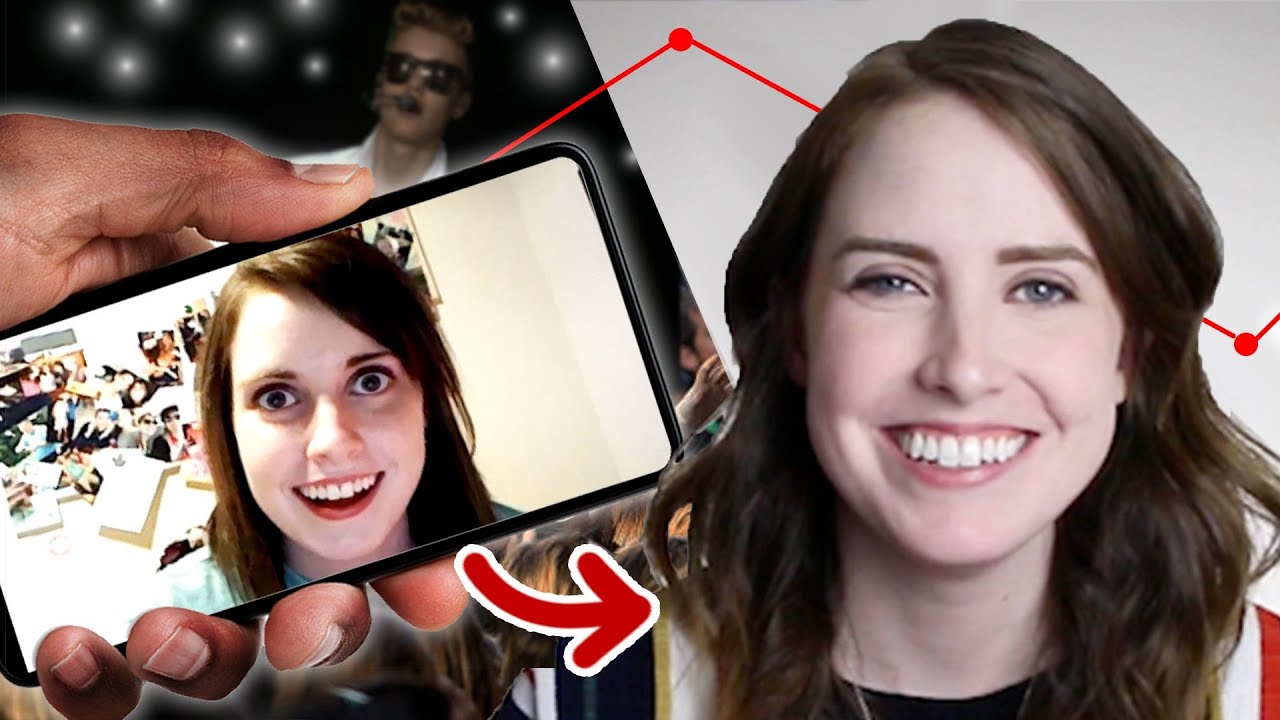 I Accidentally Became A Meme: Overly Attached Girlfriend
“ The story of how one girl got famous literally overnight and how that affected her life and her mental health over time. ”
 Calling Bullshit: The Art of Skepticism in a Data-Driven World
“A good examination of why people spit BS, and how to debunk it. It drifts into a standard list of cognitive fallacies and statistical mistakes somewhere in the middle. But still, it’s generally very good. The author makes a point that some people’s identity hinges on their BS (like any member of…”
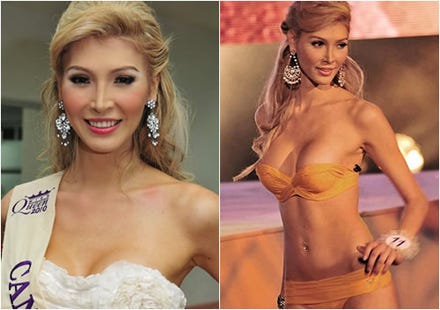 The Greatest Privilege We Never Talk About: Beauty
“ Attractive people generally have easier lives. We all know this intuitively, but we rarely acknowledge it. ”
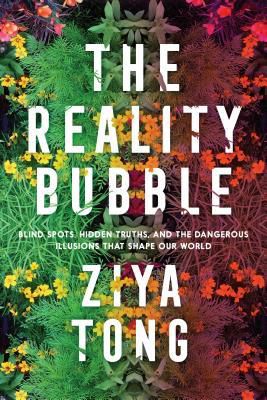 The Reality Bubble: Blind Spots, Hidden Truths, and the Dangerous Illusions That Shape Our World
“I didn’t get this book for about the first third of it. Then I figured out what it was all about – It’s about all the hidden things in life that we ignore from day to day. Where our food comes from, where are energy comes from, where our garbage grows, what’s in outer space, etc. We live in a…”
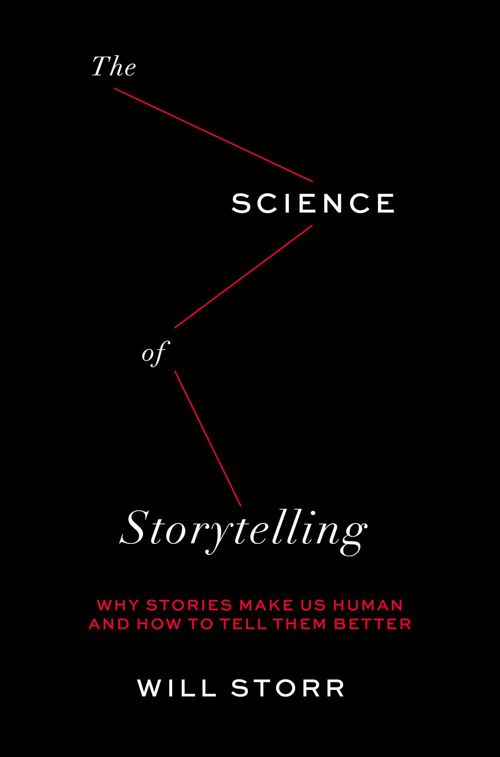 The Science of Storytelling
“I enjoyed the book, but maybe it should mention that it’s fundamentally about fiction. I was hoping for something about storytelling in a business context, but this is about novels and films and such. In fact, there’s a long appendix will explores the structure of a novel that the author took from…”
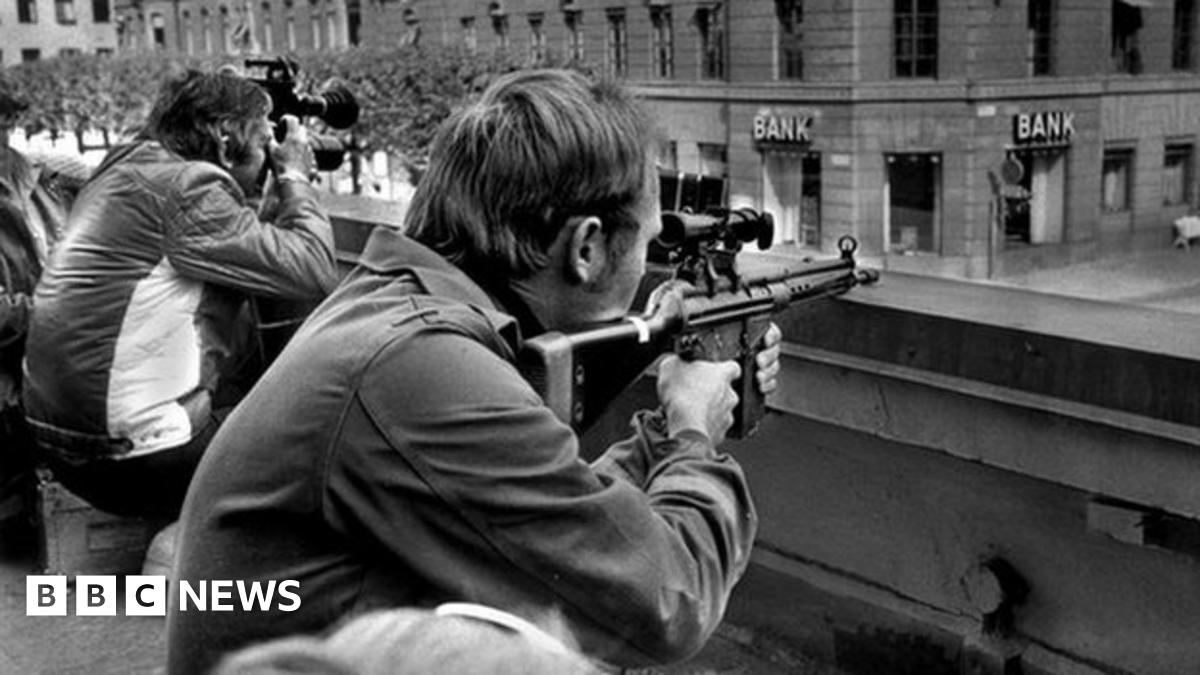 What is Stockholm syndrome?
“ Not many people know about the 1973 Swedish bank robbery that coined the term used when hostages begin to sympathize and identify with their captors. ”
“ Multiple studies have suggested that playing Tetris immediately following a traumatic event visually engages the brain in a way that can lower the future effects of PTSD. ”
 Dune
Dune
“This is a classic of science fiction, clearly. By some accounts, it’s the greatest sci-fi novel ever written. I had been meaning to tackle it for years, but this took on increased urgency with the new film coming out (it was supposed to be this year, but the COVID pandemic has pushed back the…”
 The Five Rules of Risk
“ There are five rules that govern our thinking about the risk of certain situations or activities. They cause us to dramatically over- and under- estimate risk. ”
 Why Your Christian Friends and Family Members Are So Easily Fooled by Conspiracy Theories
“ An examination of why we’re predisposed toward conspiracy theories in general and how this is magnified by religion. ”
 The Elephant in the Brain: Hidden Motives in Everyday Life
“A good discussion about our hidden motives in all sorts of cognitive arenas like art, religion, politics, etc. We spend most of lives lying to ourselves about why we do things. Their thoughts on healthcare are interesting. Namely, we over-user health care because we take comfort in the idea that…”
 The Bizarre World of Fake Martial Arts
“ An examination of bizarre psychic martial arts, ending with a discussion of the practicality of MMA versus more traditional martial arts, and the implications on human psychology and national identity. ”
 Poverty isn’t a lack of character. It’s a lack of cash
“ Often, people aren’t poor because they make bad decisions. Rather, they make bad decisions because they’re poor. ”
“ A news report from the early 70s showing how some audience members were physically traumatized after seeing ‘The Exorcist’ in theaters. ”
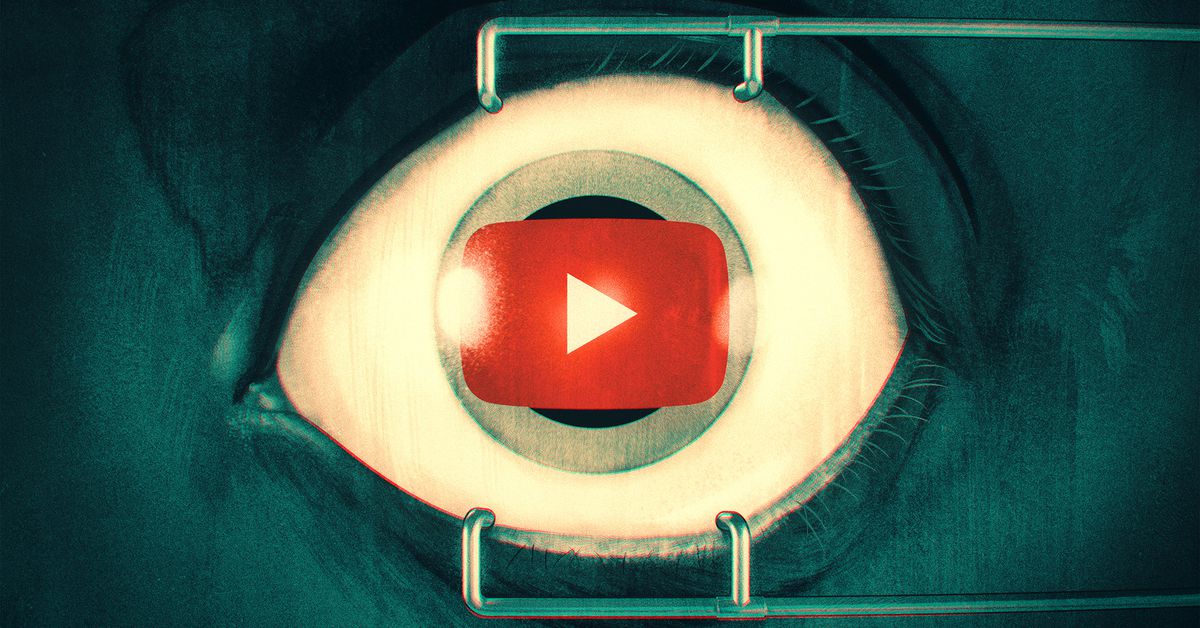 The Terror Queue
“ Content moderators at YouTube spend their days looking at the worst of human nature. Not surprisingly, some of them are suffering from PTSD. ”
 Climbing the Wealth Ladder: Why Affluence Increases in Steps
“ An interesting model for defining what ‘wealthy’ means, and how wealthy you might feel at any particular stage of your life. ”
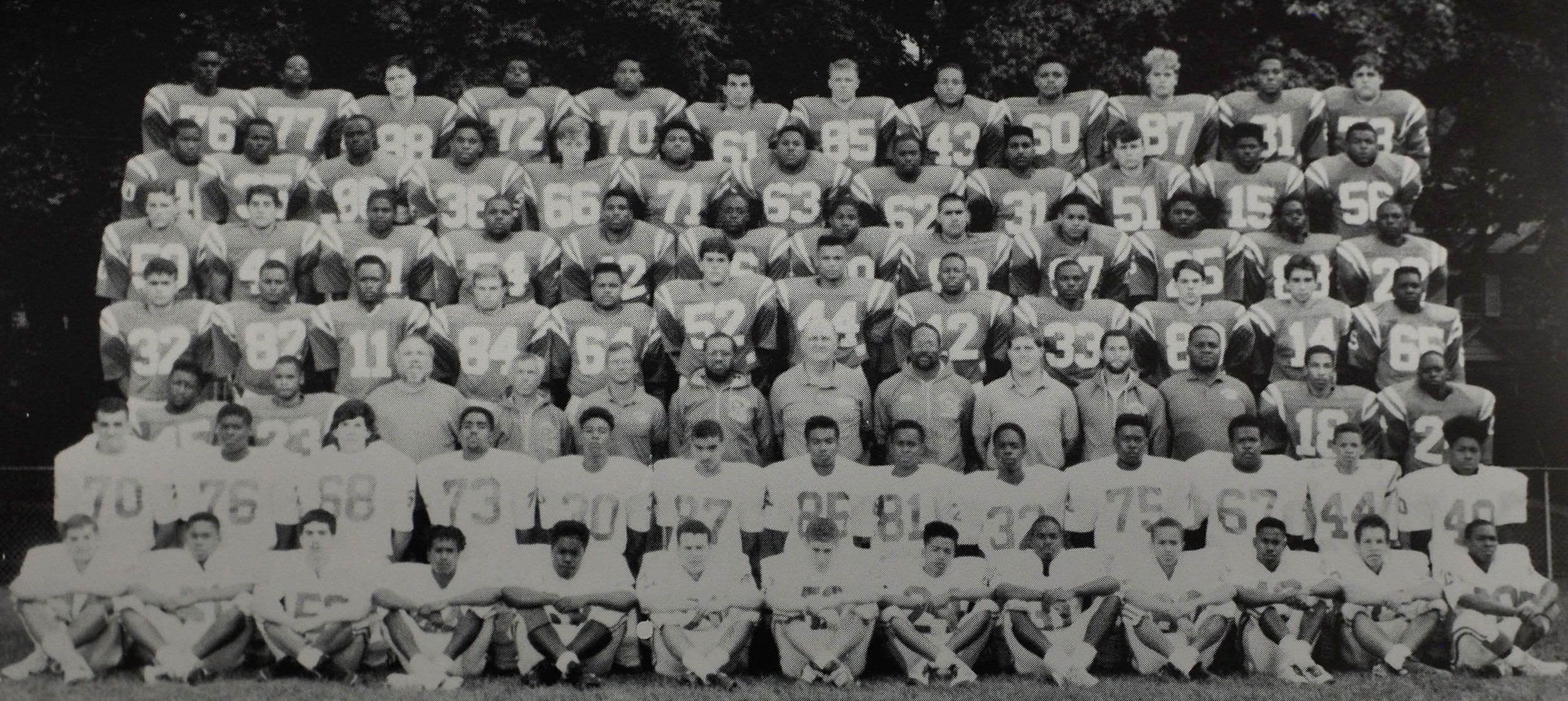 The Day That Changed Everything
“ The story of a heartbreaking loss on the football field, and how it reverberated through two lives over the next three decades. ”
 The Art of Noticing: 131 Ways to Spark Creativity, Find Inspiration, and Discover Joy in the Everyday
“An absolutely lovely little book detailing 131 interesting and sometimes absurd ways to notice more things. Exercises like coming up with a script for random video footage you’re watching, interviewing an inanimate object, calculating the exact halfway point between you and a friend and meeting…”
 Impossible to Ignore: Creating Memorable Content to Influence Decisions
“If you want to know all the secrets that advertisers or marketers (or campaign managers) use to make you remember stuff, this is your book. It’s dense, and should probably be read in a group, put to use, and consulted multiple times. There’s just a lot here. But this is the ‘secret sauce’ that…”
 The Road Back to You: An Enneagram Journey to Self-Discovery
“The value of this book depends on how much faith you place in the Enneagram, an ancient method of categorizing personalities into nine different types. The book is wonderfully well-written, but it suffers from two core problems. First, since we’re all one type (with maybe one additionally ‘wing’),…”
 How To Make Someone Remember You For A Lifetime
“ An insightful look at how Oprah Winfrey so easily connects with people and uniquely persuades them to reveal themselves in ways other people can’t. ”
 Why Don’t Rich People Just Stop Working?
“ A look into the psychology and drive of wealthy people who want more of everything, all the time. ”
 Why Are Rich People So Mean?
“ Numerous studies seem to prove that the wealthier someone is compared to the people around them, the more antisocial behaviors they display. ”
 12 Rules for Life: An Antidote to Chaos
“I don’t disagree with the author’s advice (the 12 rules themselves are just good common sense), but his writing style did not fit with me. He meanders, and tells stories that are way, way removed from the point he’s trying to make. There were multiple moments when I had to stop and try to figure…”
 Beware of Cranks
“ An entertaining look at the problem of ‘cranks’ in mathematics. These are people who are convinced they’ve solved impossible problems, and refuse to be disabused of that notion. ”
 We Are All Confident Idiots
“ A primer on the Dunning-Kruger Effect, written by Dunning. It turns out that ignorance often feels like knowledge. ”
 I Used to Be a Human Being
“ A contemplation about the distraction of modern life. It’s long, but that’s kind of the point ”
 Crushed: Why Guys Don’t Have to Make or Break You
 Why We Make Mistakes: How We Look Without Seeing, Forget Things in Seconds, and Are All Pretty Sure We Are Way Above Average
“ Another book about behavioral science and social psychology. It’s an entertaining read, but doesn’t really break new ground. It’s basically a bunch of chapter of themes, each of which is a bunch of anecdotes stacked on each other, a la Gladwell. ”
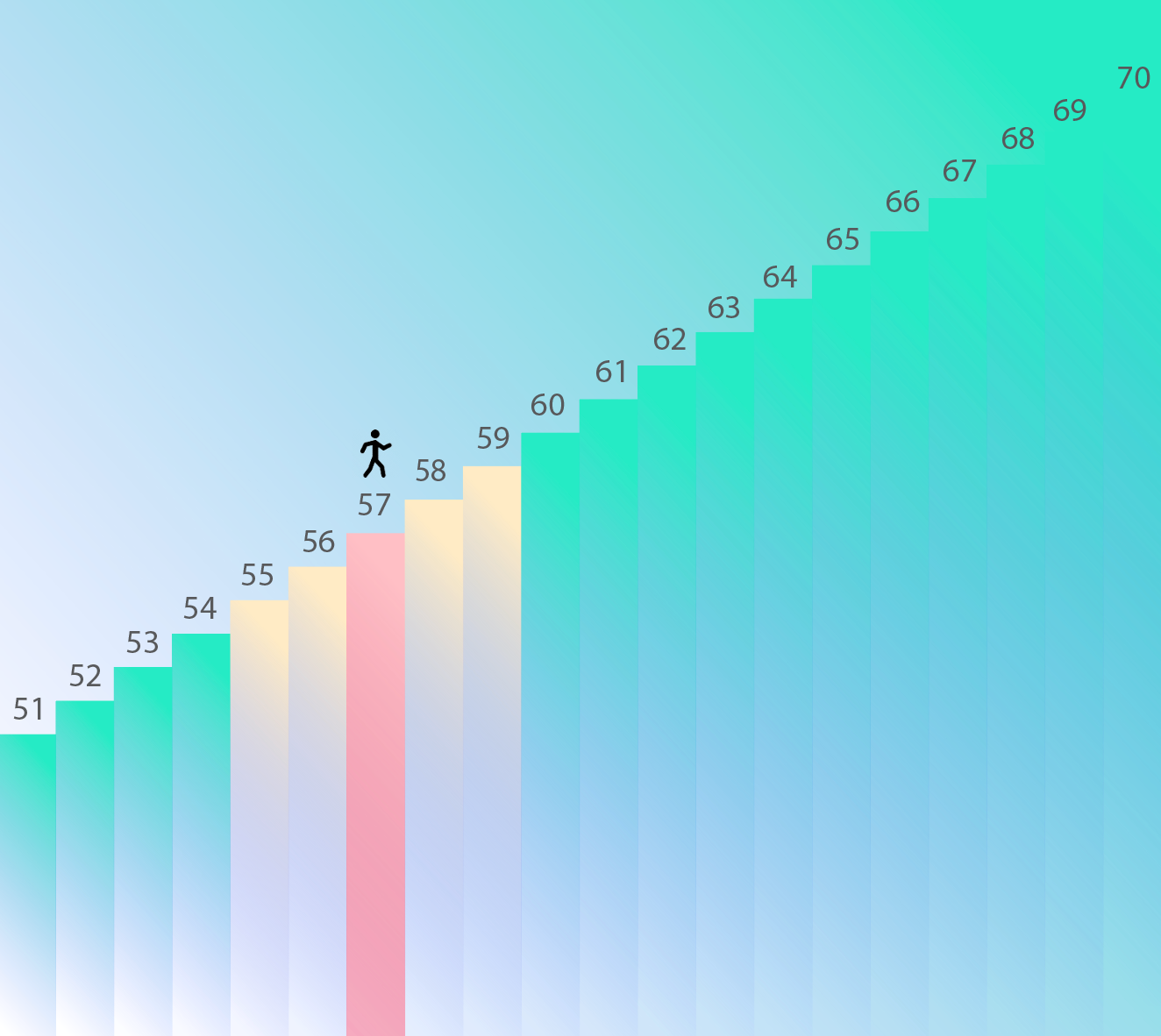 How to Be Great? Just Be Good, Repeatably
“ This doesn’t break any new ground, but I like the central point: the road to success is fairly boring. You just need to get a little bit better at regular intervals, and keep doing this for a long time. ”
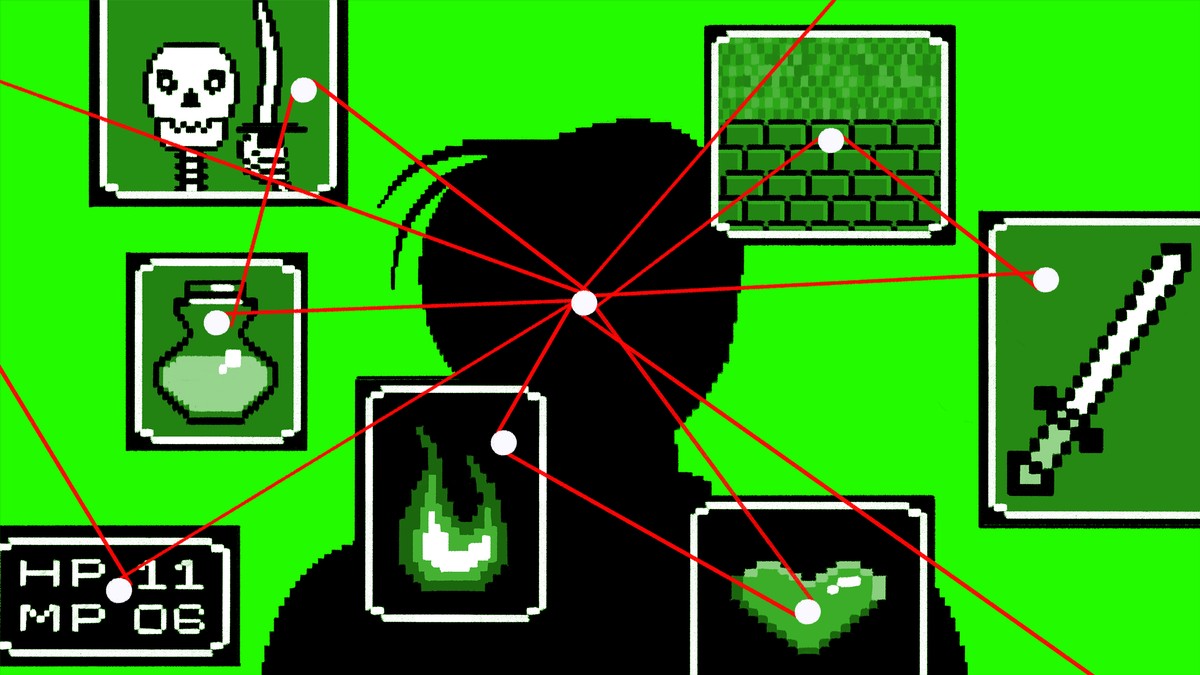 The Speedrunner Who Wasn’t: How a Community Dealt with an Elaborate Cheater
“ A video game speedrunner cheated and then tried to cover it up. Interesting for reflections and observations on a niche community and the psychology of acceptance by a group. ”
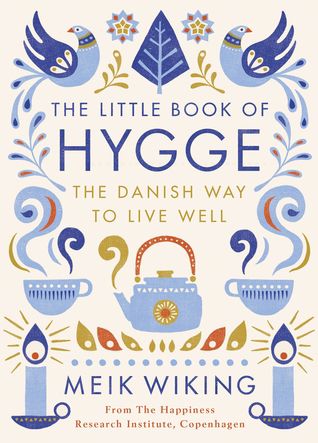 The Little Book of Hygge: The Danish Way to Live Well
“I got this book as a speaker gift from a Danish conference. It was…lovely. And cute. And fun. This is not a deep book. It explores the idea of ‘hygge’ (pronounced ‘hoo-gah’), which is the Danish concept of ‘coziness.’ It deconstructs it into it’s parts – what does it smell like, taste feel, feel…”
 The APA Meeting: A Photo-Essay
“ The annual American Psychiatric Association conference is an orgy of the absurd and a symbol of everything wrong with American medicine. ”
 Avoiding Stupidity is Easier than Seeking Brilliance
“ You become better at decisions when you’re not trying to win, but rather just trying not to lose. It has an extended bit about tennis and the differing strategies of professionals and amateurs. ”
 The New Science of How to Argue – Constructively
“ Someone has invented a new science: erisology, the science of disagreement and argument. It’s named for Eris, the ancient goddess of discord. ”
“ The CIA has a checklist for how to analyze problems. It’s an interesting set of questions to make sure you’re looking at a problem from all angles and all possible solution frameworks. ”
 Creating a Decision Journal
“ An idea to log all your decisions in a journal, along with all the factors that led to them, in order to avoid Hindsight Bias. ”
“ A good list full of common sense. You’ll nod your head a lot. ”
 The Productivity Project: Accomplishing More by Managing Your Time, Attention, and Energy
“There’s nothing new here, and if you read a lot of productivity or self-improvement books, you won’t get much from it. But if you don’t, and you need to pick one, this would be a good one. The gimmick is that this guy spent one year of his life performing every hack he could think of to improve his…”
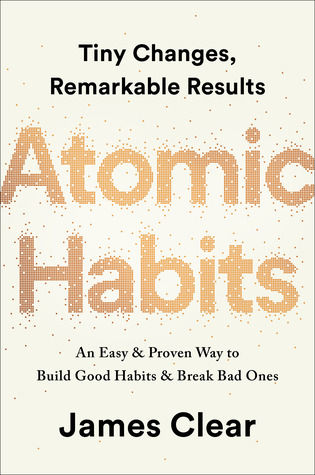 Atomic Habits: An Easy & Proven Way to Build Good Habits & Break Bad Ones
“This might be the perfect self-help book, because it doesn’t really introduce anything new. I mean, think about it, when it comes to habit formation, is there anything new to know? I think behavioral science has got a pretty good handle on why we make and break habits. But, what this book does is…”
 Creating Things That Matter: The Art and Science of Innovations That Last
“I really wanted to ‘get’ this book…but I didn’t. The text didn’t live up to the title – I came away from it no more prepared to create a ‘thing that matters.’ The author purports to explain ‘aesthetic creation,’ which sounds great, but it never really got explained. A lot of the book was examples…”
 Stand Firm: Resisting the Self-Improvement Craze
“Interesting book on resisting the drive for self-improvement. Discusses how trying to improve ourselves can be toxic and lead us into constantly thinking that we’re not worthy. The book encourages people to be happy with what they have, rather than constantly thinking that it’s not enough. It was…”
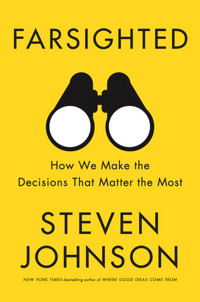 Farsighted: How We Make the Decisions That Matter the Most
“I love Steven Johnson, but this one was rough. It was…muddled. I’m still having trouble figuring out what his core premise was. He weaved in an out of it, and the book never seemed to have a central pillar to rally around. Then, at the end, he goes into a 20-page examination of the novel…”
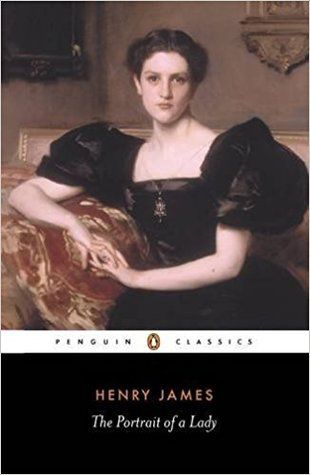 The Portrait of a Lady
“A ‘novel of manners,’ much ‘Pride and Prejudice.’ It’s a long story of the coming of age of an American girl in Europe. Large scope, and gets tedious in the middle – I felt like there were about 100 pages in there when the plot just wasn’t moving at all. There’s a Big Secret towards the end that…”
 The Art of Conversation: A Guided Tour of a Neglected Pleasure
“I shouldn’t have finished this. The author’s writing style bugged me. I did like how the book is organized – a chapter for each different aspect of conversation, each with a set of ‘Rules’ – but she kills the momentum with her writing. She’ll never use a simple word where a complex one will do, and…”
 Enlightenment Now: The Case for Reason, Science, Humanism, and Progress
“This book makes the case that (1) the world is better now on almost every quantifiable dimension than at any other time in its history, and (2) this is because of the decline of religion. Pinker’s main point is that religion is bad and makes the world a worse place, and the improvement in life over…”
 Introduction To Information Behaviour
“Excellent book on how people interact with information, all the way from the identification of a deficit (‘I should know this.’) through skimming, detailed analysis, and reinforcement. Very conceptual – analyzes the process from a very basic level. It stumbles a bit in the end for my purposes. It…”
 The Last Lecture
“I originally thought this was just the transcript of The Last Lecture video, but it’s more than that. It’s an expansion of the principles Pausch discussed in TLL, which basically becomes a book of life advice. Some of it is good, some of it is obvious, but it’s a quick easy read. If you’ve seen the…”
 The Subtle Art of Not Giving a F*ck: A Counterintuitive Approach to Living a Good Life
“Meh. I just didn’t get most of this. I feel like this is a self-help book for people who don’t read many self-help books because a lot of it is obvious. Manson seems to be trying to play the ‘get real’ card. He basically says that life is too short to care about unimportant things, so you have to…”
 The Weekend Effect: The Life Changing Benefits of Taking Time Off and Challenging the Cult of Overwork
“ Nice reading, but I don’t know that I learned anything particularly new. She makes a case for taking time away from work, and has chapters about things you can do and why they matter, but I’m not sure I’m any better off for having read it. ”
 You Are Not So Smart: Why You Have Too Many Friends on Facebook, Why Your Memory Is Mostly Fiction, and 46 Other Ways You’re Deluding Yourself
“ A solid review of the standard logical fallacies that people fall for again and again. Each chapter covers one, and they’re short and well-explained. Weirdly profane, which seemed a little out of place. ”
 Metaphors We Live By
“I’m not rating this because it wasn’t what I expected, and so I don’t know how to rate it. This is a book for linguists and perhaps psychologists. This is not a book for writers, and this is not a book for laypeople. This is a very dense, abstract book for people who think very abstractly and…”
 Project Management for Humans
“An absolutely solid introduction to project management. If you’re new to the practice, then this is your book. However, if you’ve been managing projects for any period of time, I don’t think you’re going to find anything new here. This is clearly an introductory book, and it serves that purpose…”
 Intuition at Work: Why Developing Your Gut Instincts Will Make You Better at What You Do
“ This is the ‘business’ version of Klein’s more academic ‘sources of power.’ A good book, but a lot to absorb. The key takeaway: map potential decision points, and role-play and practice scenarios. ”
 Sources of Power: How People Make Decisions
“ The result of years of research about decision making. Spoiler: we rarely compare alternative paths of action. Instead, we seize on something we think will work, then evaluate that. If we decide it’s unworkable, then we move on to the next obvious option, and down the list. ”
 Flow: The Psychology of Optimal Experience
“Not what I expected. I’ve been exposed to the author’s research in business contexts and thought the entire book would be about applicability to business, but it’s not. It’s an almost quasi-religious exploration into happiness in general. The book seems to be more philosophy than science, with…”
 Superforecasting: The Art and Science of Prediction
“ Highly readable discussion about how hard it is to predict the future, and all the cognitive traps we fall into when we try to do so. Includes a handy list of Ten Commandments (actually 11) of Super Forecasting. ”
 Mindset: The New Psychology of Success
“The core point of this book is fantastic and wonderful: we are creatures of growth, and if we approach our lives with the mindset that we can change and are not fixed, then it will have a huge impact on our development and potential. That’s it – you could have written that in a blog post. But the…”
 Switch: How to Change Things When Change Is Hard
“Extremely readable summary of pop psychology hacks for making change. It still runs into the problem that people are generally hard-pressed to put these things to use, but it’s well-written and enjoyable. It concentrates a bit more on the approach than other books, which might be key – the sad fact…”
 Thanks for the Feedback: The Science and Art of Receiving Feedback Well
“ Astonishingly good book with a title that doesn’t do it justice. This is one of the most profound books I’ve read on human communication and self-perception. I will re-read this again, likely multiple times. ”
 Thinking, Fast and Slow
“ Fascinating, but a bit of a slog to get through. Gets tedious towards the end. Key takeaway: you’re not good at thinking, you’re just good at thinking that you’re good at thinking. ”
 Strangers in Their Own Land: Anger and Mourning on the American Right
 How to Fly a Horse: The Secret History of Creation, Invention, and Discovery
 The Mindful Diet: How to Transform Your Relationship with Food for Lasting Weight Loss and Vibrant Health
 The Paradox of Choice: Why More Is Less
 The 4 Disciplines of Execution: Achieving Your Wildly Important Goals
 Smarter Faster Better: The Secrets of Being Productive in Life and Business
 The Tacit Dimension
“ [Note: I did not review this book when I initially read it in 2016] ”
 The Power of Community: CrossFit and the Force of Human Connection
“there are three ways to approach this topic (the social/community aspects of crossfit): Theoretical: the psychological/scientific underpinnings of community in CrossFit Practical: how to foster community in CrossFit Experiential: examples of community in CrossFit This book is almost 100% of #3. It…”
 Destiny: Step into Your Purpose
“My wife bought me this at the Global Leadership Summit. It was one of the top three selling books there (which is her criteria for buying me books for my birthday). The book is…awful? I almost don’t want to call it that, because I don’t think I was the target audience. I think the target audience…”
 Strangers Drowning: Grappling with Impossible Idealism, Drastic Choices, and the Overpowering Urge to Help
“This is a book about Do Gooders – people who are compelled to help other people, often to a fault. The book is a series of stories about these people. These are people that sacrifice their happiness and sometimes their lives, to make life better for others. The book is a study in some of these…”
 100 Things Every Designer Needs to Know about People
“This is a good and necessary book, but I can’t figure out how to handle it. There’s simply a lot of information in it, and it’s all so good, that it prompts anxiety in the reader as to how they can possible remember/process it all. The book is exactly what the title says: 100 short vignettes about…”
 The Art of Thinking Clearly
“this book has 99 (!) chapters. that seems like a lot, but they’re quite short – some just 2-3 pages. each chapter discusses a cognitive fallacy or bias of some kind. things like: Survivor bias Confirmation bias Feature positive preference These are mental potholes that we fall prey to again and…”
 The Marshmallow Test: Mastering Self-Control
 The Joy of Half a Cookie: Using Mindfulness to Lose Weight and End the Struggle with Food
“I love the idea of this book, but I think the practical application is going to be tough. Basically, the book seeks to teach ‘mindful’ eating practices, which is the idea of eating intelligently – understanding when and why you’re eating, not eating more than you should, etc. Basically, the book…”
 Triggers: Creating Behavior That Lasts
“This is one of those books which launches with a clear premise and then loses its way. The book is purportedly about ‘triggers,’ things in the environment that get in the way of you changing as a person. Unfortunately, about halfway through, it became a standard-issue self-improvement book, and…”
 The Art of Slow Writing: Reflections on Time, Craft, and Creativity
“Loved this book. Just loved it. It’s a series of short essays on the often tortured art of writing. There are at almost 50 chapters, and in each, the author writes about some specific aspect of the struggle of writing, and how it’s a skill and discipline which develops over time. It turns out that…”
 The Organized Mind: Thinking Straight in the Age of Information Overload
“I enjoyed this book, but understand that it’s not a simple book of techniques or direction. The author goes deep into the human mind – the swear, the first chapter is a lesson in neurological anatomy. You’ll read more about the human brain than you probably care to know. The book is interesting,…”
 Super Crunchers: Why Thinking-By-Numbers Is the New Way to Be Smart
“Throughout this book, the author keeps trying to make the phrase ‘Super Cruncher/ing/ed’ happen. I kept thinking back to the character in Mean Girls that said, ‘Gretchen, stop trying to make ‘fetch’ happen. It’s not going to happen.’ It gets distracting. And annoying. It doesn’t help that it sounds…”
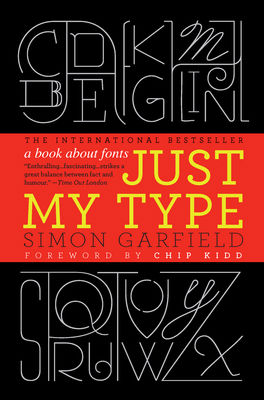 Just My Type: A Book about Fonts
“Ihis is a book about fonts (or type or typefaces – I’ve learned there are subtle variations in the definitions of each, but I can’t remember what they are). The book is a series of anecdotes about fonts/types. each chapter is short – you can read one in 3-4 minutes, but they’re all pretty…”
 Their Eyes Were Watching God
“One of those books which you know is Very Significant, but that which you wouldn’t read for any other reason. The dialect (emancipated slaves in Florida at the turn of the century) is hard to read, and the story moves slowly. It gets a little more compelling toward the end, when there’s a crisis…”
 Brave New World
“Wonderful book about the advancement of science to the point where the human race is absorbed and amused by non-stop pleasure and triviality. Into this comes an outsider, and the examination of how he fits in (and doesn’t) is both beautiful and heartbreaking. The book is a rallying cry to those who…”
 The Carpenter: Build a Winning Team
“ Meant to be a powerful business fable, the book comes across as shallow and clichéd. It’s poorly written fiction with an obvious point which is repeated over and over and over. ”
 The 5 Love Languages: The Secret to Love that Lasts
“Excellent book on why couples might not feel loved in a marriage. It discusses five ‘love languages,’ or methods of expressing love. Knowing them is valuable, but the larger point is that Person A might not experience love the same way as Person B. Person A might like ‘Words of Affirmation’ and…”
 Do Hard Things: A Teenage Rebellion Against Low Expectations
 The Great Good Place: Cafes, Coffee Shops, Bookstores, Bars, Hair Salons, and Other Hangouts at the Heart of a Community
“ I didn’t write a ‘review’ of this book, but I wrote an article about it for Boing Boing: The long, slow death of our watering holes ”
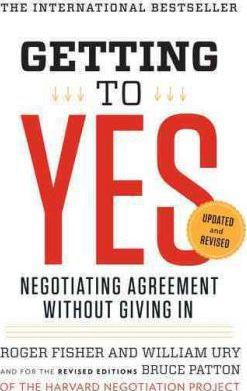 Getting to Yes: Negotiating Agreement Without Giving In
“This book is kind of the benchmark, I think, for books on negotiating. It was written by three Harvard professors who collectively chair some foundation or think tank about negotiating. And not just business negotiating – many of their examples come from the United Nations, and represent nations…”
 Emotional Intelligence 2.0
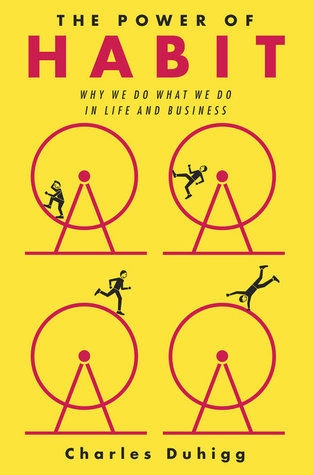 The Power of Habit: Why We Do What We Do in Life and Business
 The Power of Focus
“Didn’t really care for this. I thought it was a book about personal focus, and specifically how to focus better on tasks. It…wasn’t. It was about self-awareness and mindfulness and systemic thinking, etc. After the first few chapters, there was nothing about attention span. It was well-written with…”