- Date
- Tags
- poverty, science, psychology
“ People aren’t only poor because they make bad decisions. Often, they make bad decisions because they’re poor. Poverty affects a person’s ability to make rational decisions. ”
There are item(s) tagged with “psychology” in this section.
See items tagged with “psychology” across the entire site.
“ People aren’t only poor because they make bad decisions. Often, they make bad decisions because they’re poor. Poverty affects a person’s ability to make rational decisions. ”
 The Very Serious Science of Humor
“ We’re still not totally sure why we find things funny, but scientists are (very seriously) studying it. ”
 Did People Used To Look Older?
“ A wide-ranging look at if people used to look older for their age, and why people tend to look how we think they should, or vice-versa. ”
“ The act of preparing for or mitigating a disaster or pandemic sometimes reduces the effects to the point where we’re convinced the threat never existed or that we overreacted. ”
 Three Theories for Why You Have No Time
“ Advances in technology haven’t really saved us any time. They’ve just given us more stuff and raised our expectations for how life should work. ”
 Conspiracy theories may seem irrational, but they fulfill a basic human need
“ Humans need to assign causes to events that make sense to them. And if we’re not happy with the actual cause of something, we’ll invent one. ”
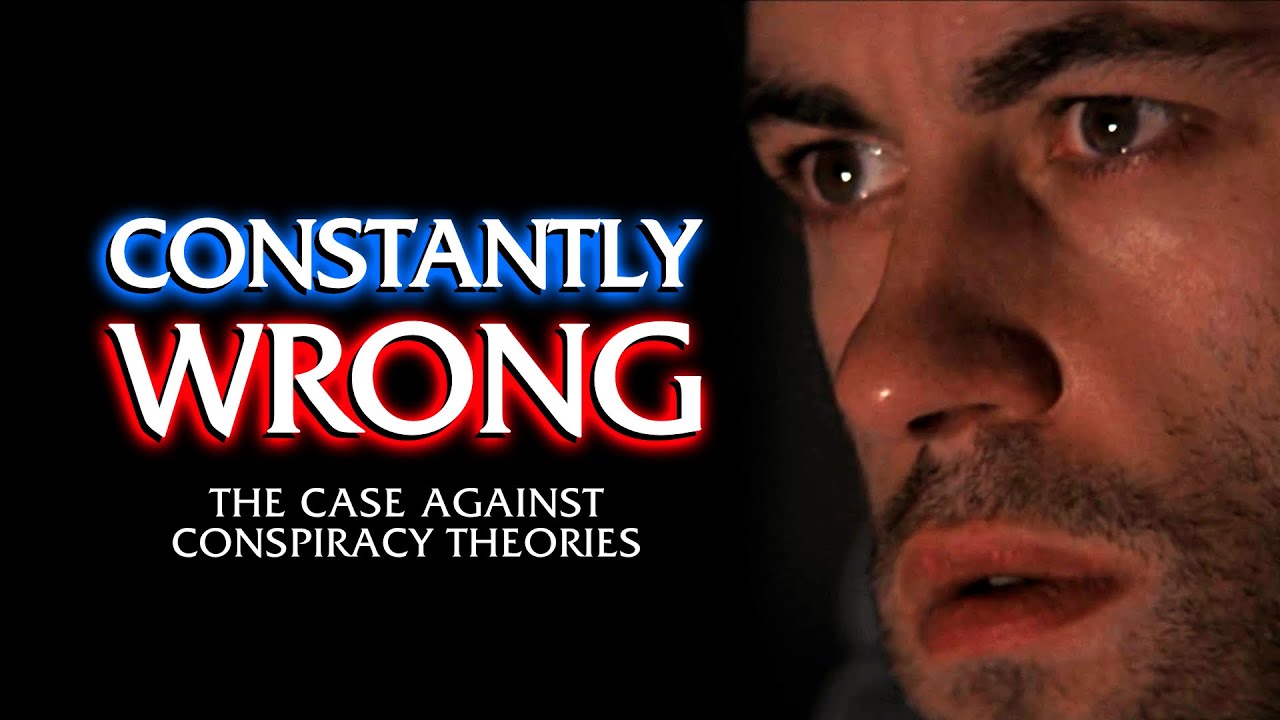 Constantly Wrong: The Case Against Conspiracy Theories
“ An irreverent documentary about the concept of conspiracy theories and why some people need to believe that there are grand, hidden secrets to the world. ”
 17 Unbelievable “Butterfly Effect” Stories That Prove Every Decision We Make Matters
“ A collection of submitted anecdotes about how small circumstances and decisions completely changed the course of someone’s life. ”
 I Accidentally Became A Meme: Overly Attached Girlfriend
“ The story of how one girl got famous literally overnight and how that affected her life and her mental health over time. ”
 The Greatest Privilege We Never Talk About: Beauty
“ Attractive people generally have easier lives. We all know this intuitively, but we rarely acknowledge it. ”
 What is Stockholm syndrome?
“ Not many people know about the 1973 Swedish bank robbery that coined the term used when hostages begin to sympathize and identify with their captors. ”
“ Multiple studies have suggested that playing Tetris immediately following a traumatic event visually engages the brain in a way that can lower the future effects of PTSD. ”
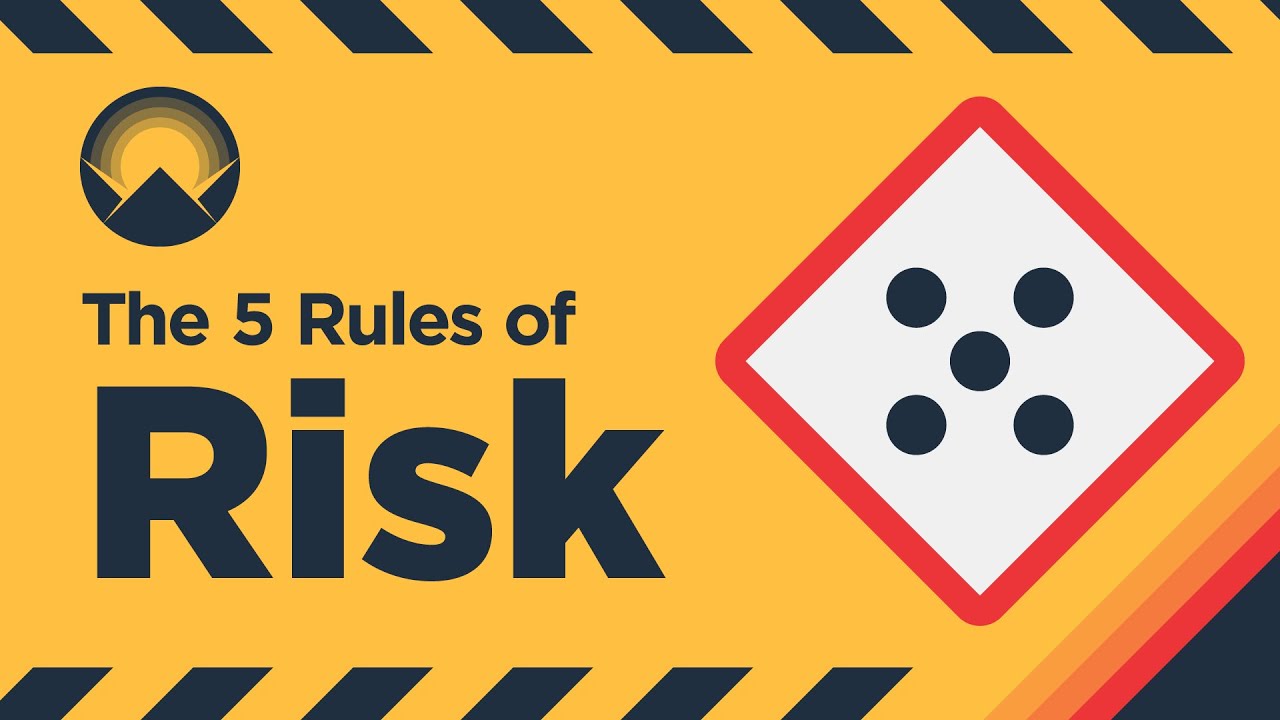 The Five Rules of Risk
“ There are five rules that govern our thinking about the risk of certain situations or activities. They cause us to dramatically over- and under- estimate risk. ”
 Why Your Christian Friends and Family Members Are So Easily Fooled by Conspiracy Theories
“ An examination of why we’re predisposed toward conspiracy theories in general and how this is magnified by religion. ”
 The Bizarre World of Fake Martial Arts
“ An examination of bizarre psychic martial arts, ending with a discussion of the practicality of MMA versus more traditional martial arts, and the implications on human psychology and national identity. ”
 Poverty isn’t a lack of character. It’s a lack of cash
“ Often, people aren’t poor because they make bad decisions. Rather, they make bad decisions because they’re poor. ”
“ A news report from the early 70s showing how some audience members were physically traumatized after seeing ‘The Exorcist’ in theaters. ”
 The Terror Queue
“ Content moderators at YouTube spend their days looking at the worst of human nature. Not surprisingly, some of them are suffering from PTSD. ”
 Climbing the Wealth Ladder: Why Affluence Increases in Steps
“ An interesting model for defining what ‘wealthy’ means, and how wealthy you might feel at any particular stage of your life. ”
 The Day That Changed Everything
“ The story of a heartbreaking loss on the football field, and how it reverberated through two lives over the next three decades. ”
 How To Make Someone Remember You For A Lifetime
“ An insightful look at how Oprah Winfrey so easily connects with people and uniquely persuades them to reveal themselves in ways other people can’t. ”
 Why Don’t Rich People Just Stop Working?
“ A look into the psychology and drive of wealthy people who want more of everything, all the time. ”
 Why Are Rich People So Mean?
“ Numerous studies seem to prove that the wealthier someone is compared to the people around them, the more antisocial behaviors they display. ”
 Beware of Cranks
“ An entertaining look at the problem of ‘cranks’ in mathematics. These are people who are convinced they’ve solved impossible problems, and refuse to be disabused of that notion. ”
 We Are All Confident Idiots
“ A primer on the Dunning-Kruger Effect, written by Dunning. It turns out that ignorance often feels like knowledge. ”
 I Used to Be a Human Being
“ A contemplation about the distraction of modern life. It’s long, but that’s kind of the point ”
 How to Be Great? Just Be Good, Repeatably
“ This doesn’t break any new ground, but I like the central point: the road to success is fairly boring. You just need to get a little bit better at regular intervals, and keep doing this for a long time. ”
 The Speedrunner Who Wasn’t: How a Community Dealt with an Elaborate Cheater
“ A video game speedrunner cheated and then tried to cover it up. Interesting for reflections and observations on a niche community and the psychology of acceptance by a group. ”
 The APA Meeting: A Photo-Essay
“ The annual American Psychiatric Association conference is an orgy of the absurd and a symbol of everything wrong with American medicine. ”
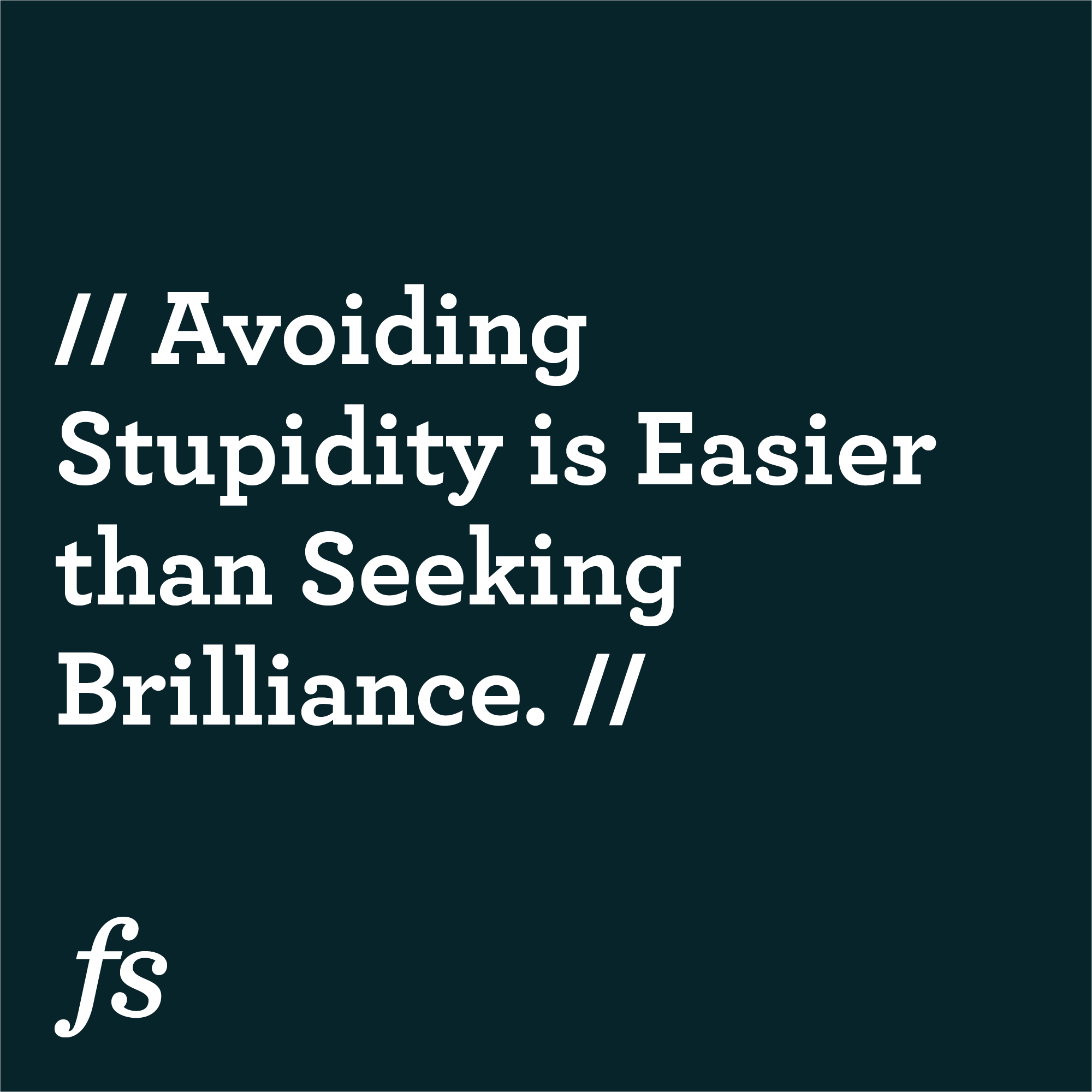 Avoiding Stupidity is Easier than Seeking Brilliance
“ You become better at decisions when you’re not trying to win, but rather just trying not to lose. It has an extended bit about tennis and the differing strategies of professionals and amateurs. ”
 The New Science of How to Argue – Constructively
“ Someone has invented a new science: erisology, the science of disagreement and argument. It’s named for Eris, the ancient goddess of discord. ”
“ The CIA has a checklist for how to analyze problems. It’s an interesting set of questions to make sure you’re looking at a problem from all angles and all possible solution frameworks. ”
 Creating a Decision Journal
“ An idea to log all your decisions in a journal, along with all the factors that led to them, in order to avoid Hindsight Bias. ”
“ A good list full of common sense. You’ll nod your head a lot. ”