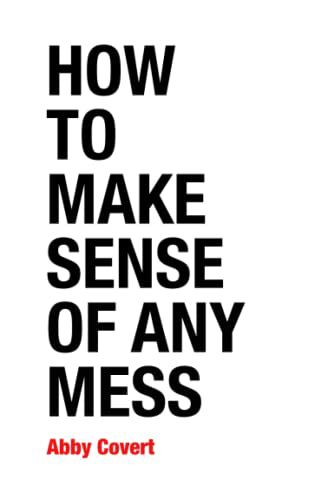
 How to Make Sense of Any Mess: Information Architecture for Everybody
- Pages
- 174
- Author
- Abby Covert
- Published
- 2014
- Date
- Tags
- information-architecture, psychology, self-help, business
TLDR: “Unique presentation; unsure of its practicality”
There are item(s) tagged with “information-architecture” in this section.
See items tagged with “information-architecture” across the entire site.
How to Make Sense of Any Mess: Information Architecture for Everybody
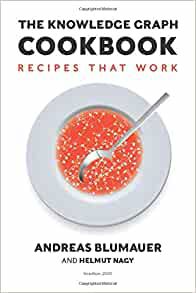 The Knowledge Graph Cookbook
“An eclectic introduction to the idea of a knowledge graph. My only gripe is that you have to wait until about halfway through the book to figure out what a knowledge graph is, in specific nuts and bolts. (It’s a bunch of things, enabled by labeling things with RDF.) I’ve always felt that some books…”
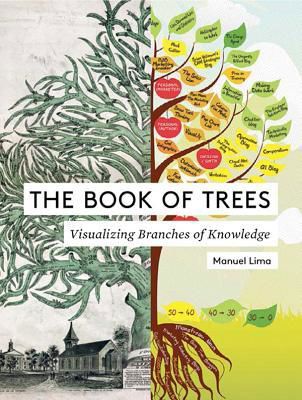 The Book of Trees: Visualizing Branches of Knowledge
“This book was not what I expected. I thought I was getting a book on information organization and architecture…but that’s not what this is. This is an art book. It’s a collection of the ways people have tried to express hierarchical information in tree forms for thousands of years. It’s a picture…”
 Introduction To Information Behaviour
“Excellent book on how people interact with information, all the way from the identification of a deficit (‘I should know this.’) through skimming, detailed analysis, and reinforcement. Very conceptual – analyzes the process from a very basic level. It stumbles a bit in the end for my purposes. It…”
 Typologies and Taxonomies: An Introduction to Classification Techniques
“I didn’t totally understand this, and I don’t think I was the audience for it. I thought it was something for editors and content managers, but this is a book for statisticians or research scientists. There’s a lot of math here, and it’s geared towards the classification of large datasets based on…”
 Cataloging the World: Paul Otlet and the Birth of the Information Age
“ Enjoyable bio of Paul Otlet. Covers the intersection between his desire to index information, and his belief that this would promote world peace. He was a very political librarian, it turns out. ”
 Information and Intrigue: From Index Cards to Dewey Decimals to Alger Hiss
“incredibly well-researched look back at an obscure attempt to catalog scientific papers. Herbert Field was a man driven by a dream, but frustrated at every turn. This isn’t a success story, but it’s worth reading if you love library science or underdog stories. The ‘intrigue’ of the title is a…”
 Intellectual Foundation of Information Organization
“incredibly dense book about library organization and cataloging systems. it’s good, but would take about three readings (with a group) to really plumb the depths of it. the key takeaway for me was: organizing information is often not perfect, and you have to make concessions to reality….”
 Intertwingled: Information Changes Everything
“I am an unabashed fan of ‘Information Architecture for the World Wide Web,’ which Morville wrote with Lou Rosenfeld. A few years ago, I read ‘Ambient Findability’ from Morville and was deeply disappointed – it was all elaborate and fluffy theory, with no practical relevance. Almost unbelievably,…”
 Classification Made Simple
“A solid introduction to classification, cataloging, indexing, and organization structures. It’s a textbook, so some of it gets necessarily academic. I enjoyed the emphasis on history. Raganathan is covered extensively, as is Bliss. There are long sections on category labeling, which is probably…”