 The Power Broker: Robert Moses and the Fall of New York
- Pages
- 1336
- Author
- Robert A. Caro
- Published
- 1974
- Date
- Tags
- biography, city-planning, infrastructure, nyc
TLDR: “A masterpiece”
There are item(s) tagged with “infrastructure” in this section.
See items tagged with “infrastructure” across the entire site.
The Power Broker: Robert Moses and the Fall of New York
 Abundance
 Normal Accidents: Living with High-Risk Technologies.
“This was apparently a revolutionary book, back when it was published. It pushed back on the idea that industrial accidents were usually the fault of human error. It advaned the idea that in the world of connected systems, humans simply be expected to understand the ultimate ramifications of…”
 Paved Paradise: How Parking Explains the World
 Broadway: A History of New York City in Thirteen Miles
 How Infrastructure Works: Inside the Systems That Shape Our World
 Ninety Percent of Everything: Inside Shipping, The Invisible Industry That Puts Clothes On Your Back, Gas In Your Car, and Food On Your Plate
“I like the subjects of Rose George’s books. She writes about the background stuff that we don’t think about. This book is about the global shipping trade. She wrote another entire book about going to the bathroom . I think these subjects are interesting. But I don’t love how she writes about them….”
 The Heights: Anatomy of a Skyscraper
“This book absolutely achieves what it sets out to do. It’s a glossy, illustrated love letter about how skyscrapers are built and managed. If that’s what you want, then this is your book. It’s not very deep, but it doesn’t really try to be. The illustrations are well-done and helpful. There are…”
 The Prize: The Epic Quest for Oil, Money, and Power
“This is the definitive history of oil, from the first discovery in the 1850s through the first Gulf War of of the 1990s. It’s a lot – 900-some-odd pages. Not for the faint of heart. I actually brought back in college in the mid-90s, and never finished it. I promised myself I’d get back to it, and…”
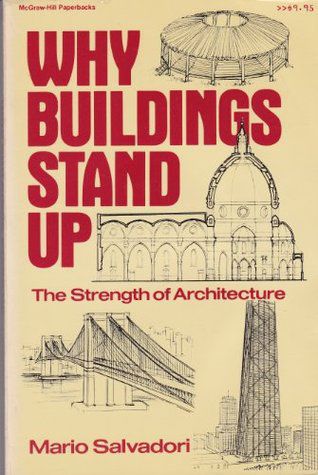 Why Buildings Stand Up: The Strength of Architecture
“A solid book that’s an introduction to engineering. It explains – in the clearest, simplest way – how buildings stay upright. It talks about loads, materials, and different ways of organizing those in a never-ending war with gravity. Along the way, the book looks at some historic structures and why…”
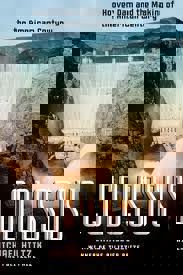 Colossus: Hoover Dam and the Making of the American Century
“A magisterial history of the Hoover Dam, all the way from the problems of the late 1800s that it was meant to solve, through the arguments during its planning, to the construction and beyond (in fact, they don’t even start building the dam until halfway through the book). The Hoover Dam was an…”
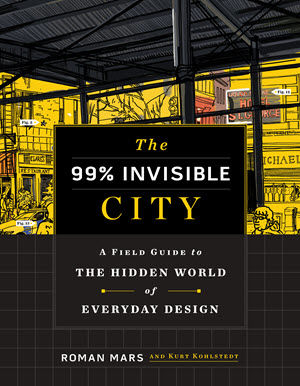 The 99% Invisible City: A Field Guide to the Hidden World of Everyday Design
“A lovely collection of blog posts about all the hidden stuff in your city. Why lampposts are shaped the way they are. Why manhole covers are round. What the markings on sidewalks mean. It’s a great reader – every ‘chapter’ is really just a blog post or podcast episode, so you can read 4-5 of them…”
 The Grid: Electrical Infrastructure for a New Era
“This is a well-researched book, but seems disorganized. It felt like it jumped around a lot, especially between scopes – from macro to micro. The major points I learned: Electricity is unlike any other resource in that it’s not a storable thing. When you use it, it was generated a fraction of a…”
 The Victorian Internet: The Remarkable Story of the Telegraph and the Nineteenth Century’s On-line Pioneers
“A wonderful history of the telegraph which proves that all of the ‘novel’ problems the Internet brought about actually happened 150 years earlier. Standage pays special attention to the societal changes that the telegraph wrought, and the effect it had on the lives of the telegraph operators who…”
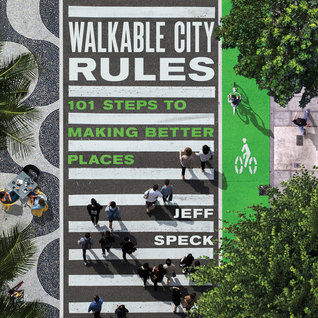 Walkable City Rules: 101 Steps to Making Better Places
“If you’ve read ‘Walkable City,’ I don’t know that there’s much new here, but it’s more approachable. There are 101 smaller ‘rules’ about how to fix cities and make them more friendly to pedestrians. It’s clearly geared to local politicians and city planners, but I am neither and I loved it. If you…”
 Networks of New York: An Illustrated Field Guide to Urban Internet Infrastructure
“This is an extremely short book (like, 100 small pages with lots and lots of pictures). Start to finish, it might take you 30 minutes. It’s more of a handbook of the different physical markers you can find of the internet in NYC. It has a directory of manhole covers, for instance, and descriptions…”
 The Death and Life of Great American Cities
“I have wanted to read this book for ages. I have a weird fascination with urban planning, and this book is held up as seminal. It’s from the 60s, and was written by the legendary Jane Jacobs. What I find interesting about the book is where it starts: with a chapter on sidewalks. I remember…”
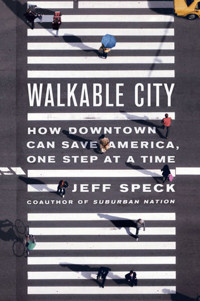 Walkable City: How Downtown Can Save America, One Step at a Time
“Genuinely one of the most interesting books I’ve ever read, hands down. Speck explains why and how our cities started being designed first for cars, then for people, and why this is bad. Then he gives us 10 ways to change it, from increasing pedestrian safety, to fixing parking, to making the…”
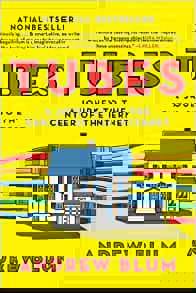 Tubes: A Journey to the Center of the Internet
“Really enjoyed this book. The author decided he wanted to ‘visit the Internet.’ The…physical Internet. Each chapter is a look at some physical manifestation of what makes the Internet go, from Internet exchange points to undersea cables to data centers. Along the way you work with road crews…”