 The Pentagon: A History
- Pages
- 656
- Author
- Steve Vogel
- Published
- 2007
- Date
- Tags
- military, engineering, architecture, construction, buildings
TLDR: “Interesting, but nothing valuable”
There are item(s) tagged with “engineering” on this site.
The Pentagon: A History
 Powering the World’s Airliners: Engine Developments from the Propeller to the Jet Age
 To Engineer Is Human: The Role of Failure in Successful Design
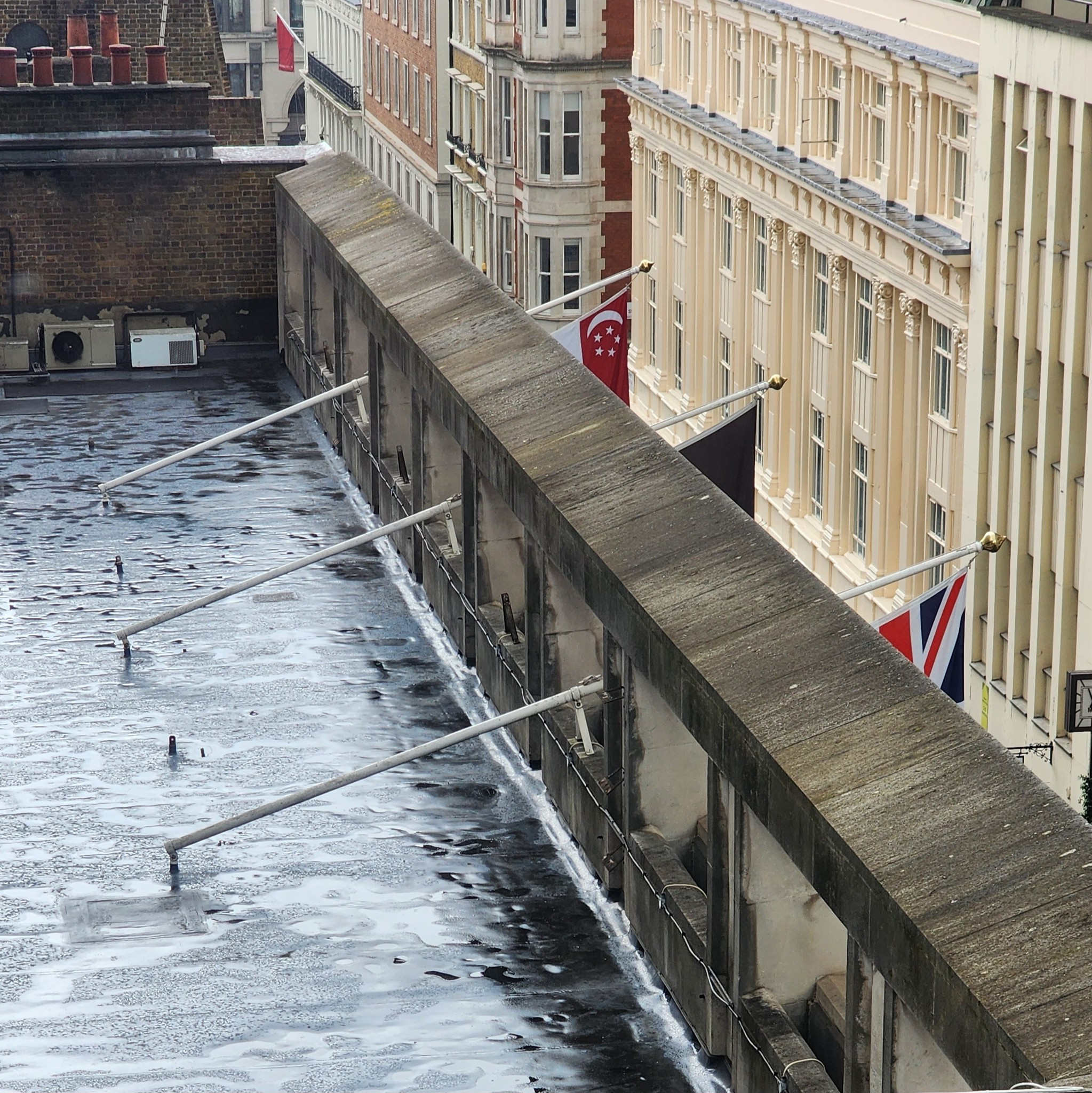 Cantilever
“In it’s strictest terms, this is simply a physical element that’s only connected to a large structure at one end, so the other end ‘hangs out in space.’ Architecturally, a cantilever is a building structure that protrudes into open space, such as a balcony. A great example is The Guthrie Theater…”
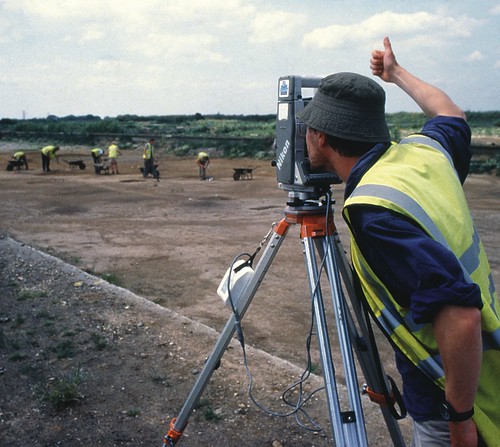 Theodolite
“ This is the common land surveyors tool, where someone looks through an eyepiece at specific points to measure angles and determine land boundaries. ”
 How Infrastructure Works: Inside the Systems That Shape Our World
“This is another name for what we call ‘asphalt’ in the United States. It’s the very sticky component or petroleum. It occurs naturally. Most of it is used to construction and road-making, but it can be refined to form crude oil. The ‘oil sands’ of Alberta and North Dakota are naturally occuring…”
“This is short for ‘tarmacadam,’ which differs slightly from macadam . Wikipedia defines it as: Tarmacadam is a road surfacing material made by combining crushed stone, sand, and tar […] It is a more durable and dust-free enhancement of simple compacted stone macadam surfaces… Vocabulary.com says:…”
“Cement is the base aggregate. It’s limestone, silica, and some other things. It’s a very fine powder. Cement, when mixed with other things, makes concrete. You mix it with sand, rocks, and water. So, the sidewalk in front of your house is technically concrete , not cement. Cement is just one…”
“This is a term from physics and engineering, so there are lots of very technical definitions (involving lots of math). I’m greatly simplifying here. This is when an object experiences load against one part of it, that’s not applied against another part of it. For instance, if a wall is fixed at its…”
“The difference between four-wheel drive (4WD) and all-wheel drive (AWD) can be a little vague. I read a lot of resources, and they waffle quite a bit. In general: All-Wheel Drive requires no driver input. There’s a computer in the car that just makes it work. The car usually drives two wheels, but…”