The Last Intellectuals: American Culture In The Age Of Academe
TLDR: “Sort of interesting, but maybe obsolete”
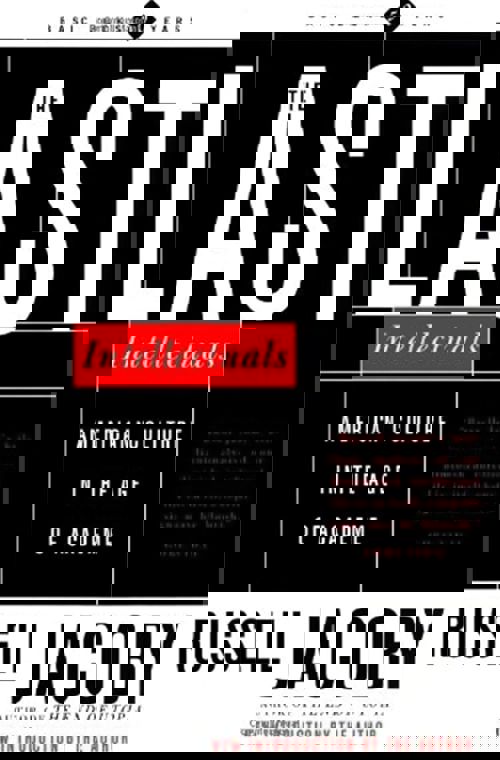
This book is from the late 80s, and it decries the loss of something that might not exist anymore – or might exist so much that it’s simply no longer notable.
The author is discussing the fate of “public intellectuals,” which are some of the great thinkers of the 20th century that would regularly be published in magazines and journals and books. His argument is that a lot of them have moved on to academia, since it’s a much safer business to be in.
Apparently, the life of a “public intellectual” was under constant threat of poverty, and, in fact, one of the reasons he cites for their decline is that “bohemia” – meaning cheap living conditions in cities like New York – has largely disappeared. So a lot of them became university professors just to survive (note the subtitle).
But, here’s the thing – I’m not sure that a “public intellectual” is a notable thing anymore, because the internet and mass media have generated a lot of them.
Back in the 20th century, getting “published” meant something. If you were in a magazine or got a book published, that got you in front of people. This made you a “public intellectual.”
Well, fast forward a few decades, and everyone is public now. The concept of being “public” in the past meant that you got past the gatekeepers: the magazine and book editors. Those barriers have largely been removed, which means the gatekeepers have really become the public, who decides to what they will pay their attention.
So who is a public intellectual anymore? We have the talking heads on video media, but we also have podcasters now, and YouTubers and bloggers. Is Mr. Beast a public intellectual, meaning someone who has opinions and is in the public sphere and who commands attention? Am I a public intellectual, considering that I’ve been regularly publishing my opinons in public for almost 25 years?
What’s additionally odd about the book is the antipathy the author has for higher education, even though he is employed by it himself (he’s some professor at UCLA, I gather). There was a documentary just over a decade ago with the subtle title of “Velvet Prisons: Russell Jacoby on American Academia” which further expounded on his condescension over the university system (I tried to watch it, but it was painfully boring). He apparently thinks that tenure stifles opinions, and an intellectual who goes to work for such an institution is forever compromised. I found this a little weird.
So, an interesting book, both because of the subject matter, and because of the perspective we have over it so many decades removed from when it was written.
Book Info
- Author
- Tamar Jacoby
- Year
- Pages
- 290
- Acquired
- I have read this book. According to my records, I completed it on .
- A softcover copy of this book is currently in my home library.