IBM: The Rise and Fall and Reinvention of a Global Icon
TLDR: “Comprehensive but tedious”
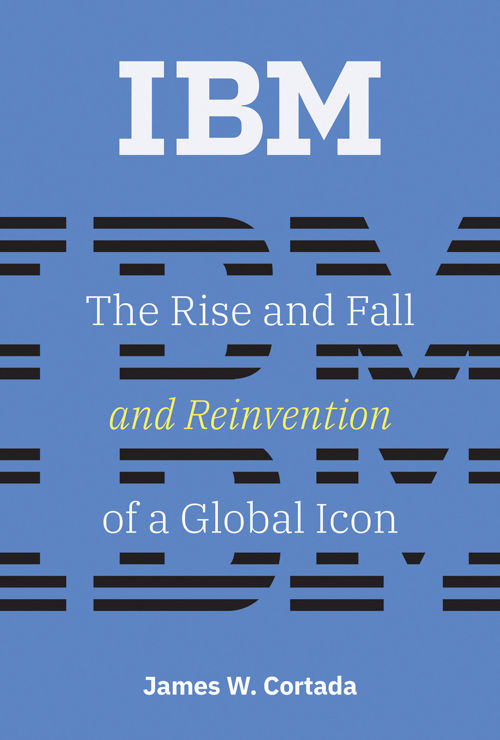
This is a very long history of IBM, which is exactly what it promised to be. I’m not sure what I was expecting.
IBM was around for most of the 20th century. It got started with scales and calculating machines – back in the early part of the 20th century, calculating stuff was complicated, hard work.
From there it moved into punchcards, and it owned that market for decades. It basically held a monopoly over it.
Then it moved into computers, and quickly became dominant with the sale of the System/360 which became the “mainframe of record” for businesses. From mainframes, it went into the personal computer market, but never did great at it. “PC Jr.” was a disaster, and the PC business just never really took off. IBM sold the consumer PC business to Lenovo in 2005; then also sold its server business to them in 2014.
Critically, IBM never got copyrights over MS-DOS. It paid Microsoft to develop it, and then licensed it from them, but Microsoft retained the rights to also license it to other companies. And they did. This became known as the era of “PC clones” and the “IBM-compatible PC.” This gave everyone else a foothold in the market, and many rank the decision as one of the biggest mistakes in the history of the technology business.
IBM almost went bankrupt in the early 90s. The failure of the PC business (and of OS2/Warp – another attempt at an OS) was killing it. It posted the biggest loss in corporate history (to that point) in 1993 and laid off 100,000 people.
A guy named Lou Gerstner came in to save it (he wrote a book about that effort in 2003: Who Says Elephants Can’t Dance), and it shifted to a mainly services and consulting model. Today IBM makes about 20% of its revenue from the mainframe business, which continues to do quite well with the z/Architecture series (it basically monopolizes this market). The rest comes from services and cloud computing.
The book was written by a 17-year employee, and spends a lot of time on the IBM culture and how it changed over the years. IBM was famous for lifetime employment and treating their employees very well. But as business norms changed, IBM changed with it, instituting layoffs, offshoring, and a ranking system that lots of employees found demoralizing.
Regardless of its current status, IBM was a 20th century business icon. A lot of great research was done there, and a shocking number of tech luminaries cut their teeth there. The author even makes the claim that the children of former IBMers over-achieved more than normal, just because they watched their parents work hard for the company.
The book is a tough read. I don’t know anyone who would genuinely read it for pleasure (which raises the question of why I read it…). You would have to really love IBM to get into this.
Book Data
- Author
- James W. Cortada
- Year
- Pages
- 752
- Acquired
- Not recorded
- Open Library
- OL20156546W
- I have read this book. According to my records, I completed it on .
- A hardcover copy of this book is currently in my home library.