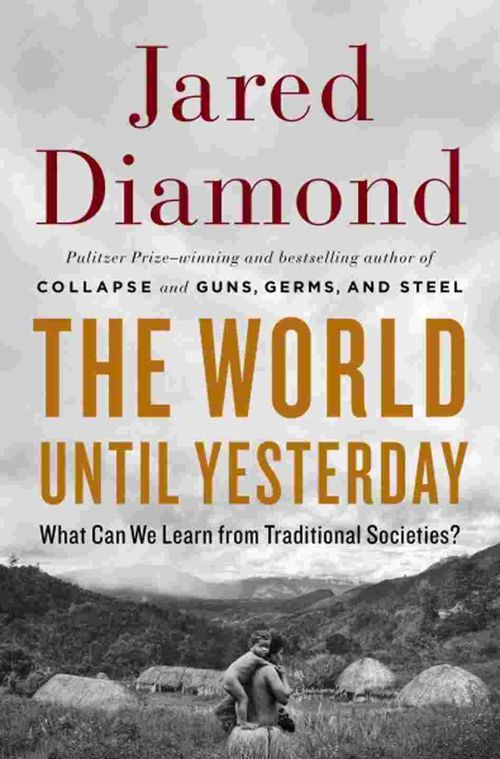
 The World Until Yesterday: What Can We Learn from Traditional Societies?
- Pages
- 512
- Author
- Jared Diamond
- Published
- 2012
- Date
- Tags
- history, anthropology, society, evolution
TLDR: “I just didn't get it”
There are item(s) tagged with “anthropology” in this section.
See items tagged with “anthropology” across the entire site.
The World Until Yesterday: What Can We Learn from Traditional Societies?
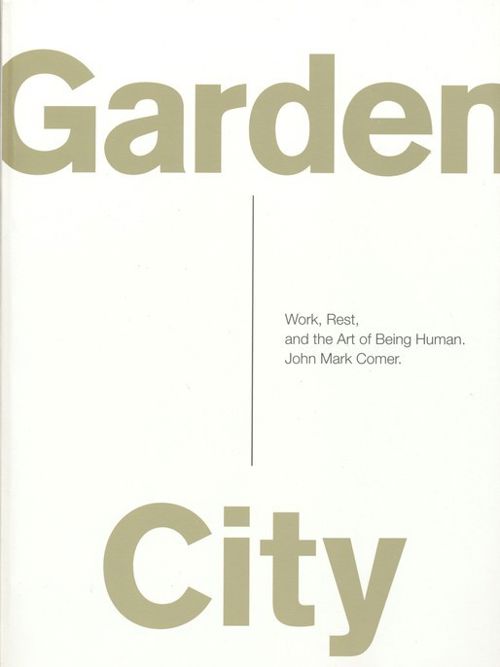 Garden City: Work, Rest, and the Art of Being Human
“ I didn’t review this book right away, and in the meantime, I read The Ruthless Elimination of Hurry , by the same author. Because of this, it’s hard for me to separate the two books in my head – they’re about very similar themes. Maybe go read that review? A lot of it applies to this as well. ”
 Why Nations Fail: The Origins of Power, Prosperity, and Poverty
“Tedious book. Seemed a bit scattered. The gist appears to be that the biggest reason nations fail is because of unfair, ‘extractive’ institutions, like dictatorships, that give people little incentive to work and are designed to enrich a few. The book goes on about this for 460+ pages, with example…”
 The Alphabet Versus the Goddess: The Conflict Between Word and Image
“Here’s the basic premise – Images and writing are very different. They utilize different parts of the brain. Images are feminine, writing is masculine. Images are perceived all at once, holistically – we step back and take in a visual scene, in aggregate. Writing, on the other hand, is sequential –…”
 Primates of Park Avenue: A Memoir
“I read this book for the pure titillation level, because I’m fascinated by high society in general and New York culture in particular. And the book delivered on that level – there are some horrifying anecdotes where of a woman trying to fit into Upper East Side mommies. Women who use Birkin bags as…”