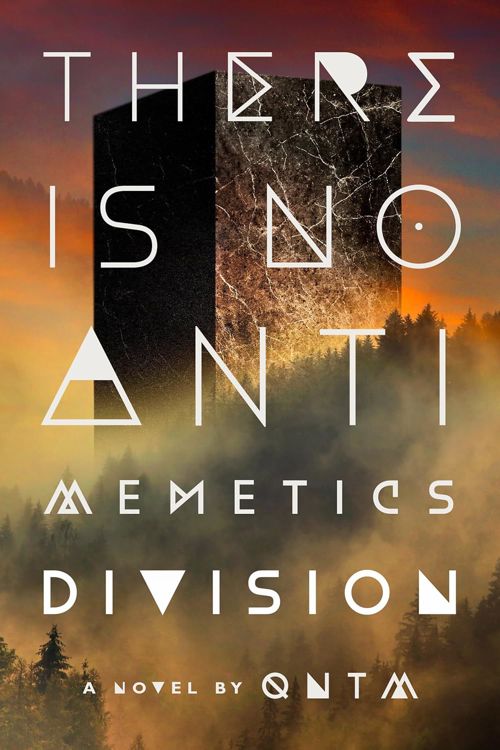
 There is No Antimemetics Division
- Pages
- 288
- Author
- qntm
- Published
- 2025
- Date
- Tags
- fiction, science-fiction, horror
TLDR: “Promising but confusing”
There are item(s) tagged with “horror” on this site.
There is No Antimemetics Division
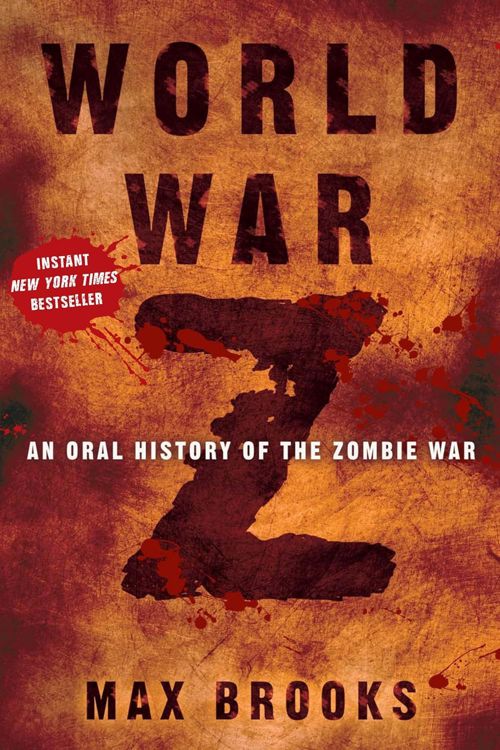 World War Z: An Oral History of the Zombie War
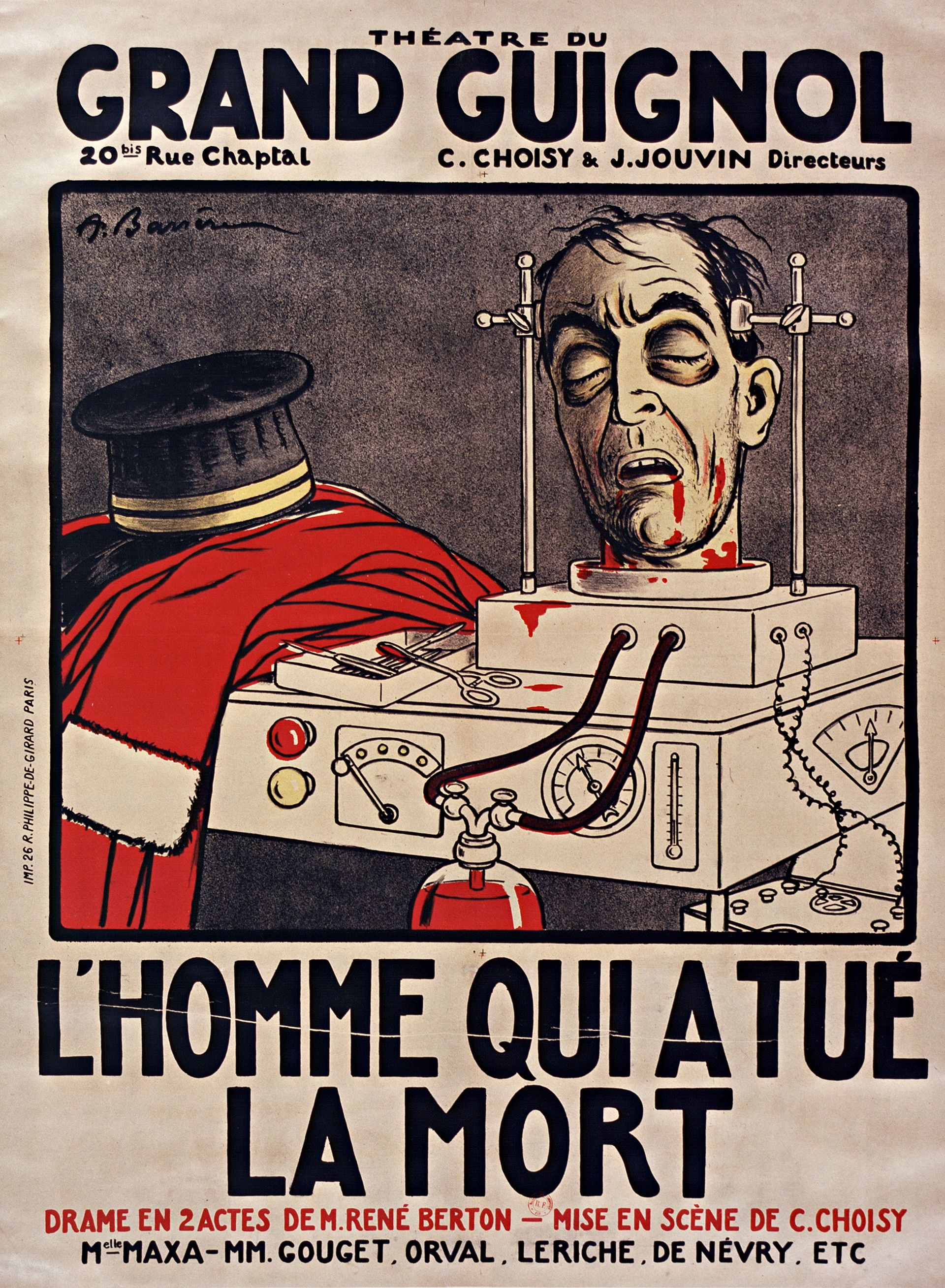 Grand Guignol
“This is technically French for ‘great puppet,’ but it usually refers to a theater in Paris called Théâtre du Grand Guignol (‘The Theater of the Great Puppet.’) It was known for its realistic, gruesome horror shows. Each performance would be several short plays. Here’s a description from a 1957 New…”
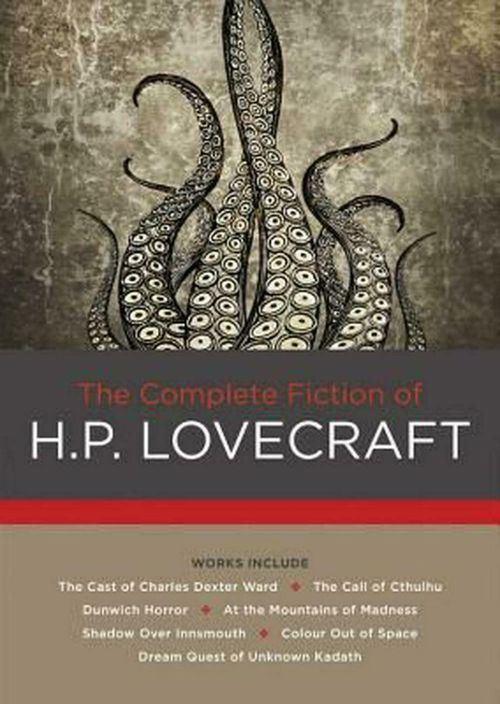 The Complete Fiction of H.P. Lovecraft
“This is an anthology of every work of narrative fiction H.P. Lovecraft wrote, in order. (I say ‘narrative fiction’ because he apparently wrote a bunch of poetry that isn’t in this book.) I had always wondered about Lovecraft. I was familiar with ‘Call of Cthulhu,’ the role-playing game. Then a few…”
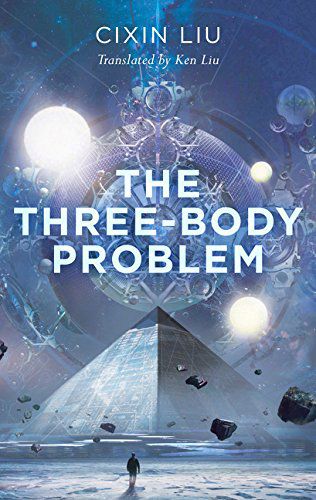 The Three-Body Problem
“First, this is not a standalone novel. It’s part one of three, and it ends completely unfinished. Second, I bought this because of Barack Obama. Seriously – I saw it on the shelf of a book and gaming store in Stockholm, and it had a praise quote from Obama on the cover. I thought, ‘Has a president…”
“This generally means ‘massive.’ Obviously, it comes from the root of Cyclops, the monster from Greek and Roman mythology. ‘Cyclops’ means ‘round eye’ which was used to describe a giant creature with one eye. The word seems to be common masonry industry, to refer to stonework done with large stones….”
 The Strange Case of Dr. Jekyll and Mr. Hyde
“So, here’s the thing – if you know the secret, there’s not much point reading the book. And everyone knows the secret by now – ‘Jekyll and Hyde’ has become a common idiom. But back when this was published in Victorian England, no one knew the twist, and it was probably a hell of a surprise in the…”
“From the Greek word ‘khthon’ means ‘beneath the Earth.’ This is likely the root of ‘Cthulhu.’ From Wikipedia : Invented by Lovecraft in 1928, the name Cthulhu was probably chosen to echo the word chthonic (Ancient Greek ‘of the earth’), as apparently suggested by Lovecraft himself at the end of his…”
 The Secret of the Old Mill
“My neighbor bought me this for my 50th birthday as a joke. Just to spite him, I read it. It’s about what you would expect. It was written in 1962 and it shows. Lots of ‘fellows’ and ‘chums’ and ‘nifty.’ Also, lots of exclamation points and adverbs. No one just ‘runs,’ they always ‘run quickly!’…”
 The Magician’s Nephew
“This was a later book in the series, but was written as a prequel. I read it first, before any of the other books. It’s…okay, I guess? Clearly, it’s exposition. Lewis is trying to clean up a bunch of details and set the stage for what comes next. I sort of knew that going in, so I read it in that…”
 The Hobbit
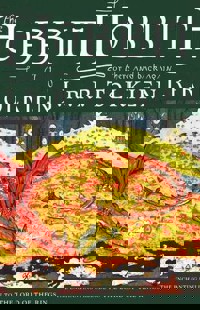
“Honestly, I didn’t love it, which I know is heretical, but it was very episodic – just random episodes kind of strung together with very little unifying plot. This is likely due to the fact that it’s a kid’s book, but, still, I just couldn’t get into it. Also, I wasn’t in love with his writing…”
 Dracula
“Great novel. Does not read like it was written 121 years ago. Genuinely terrifying in parts. Suffers a bit in the middle as the characters run around London, and I got a little confused as to what they were doing. It turns into a bit of a detective story. I got the main gist of what was going on,…”