The Oppermanns
TLDR: “Engrossing historical fiction”
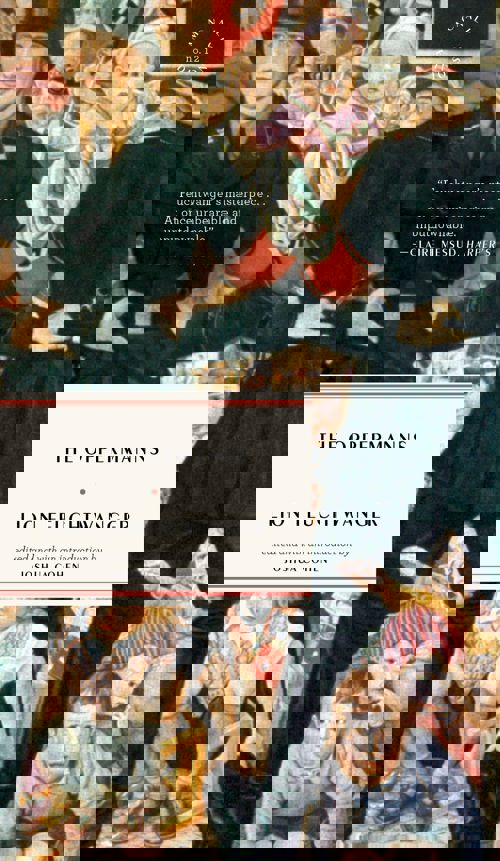
I read this on the recommendation of a friend. I knew nothing about it, but I’m trying to lean more on recommendations.
It’s a novel, written in the 30s, though I didn’t know that at the time. I thought it was contemporary.
It tells of a year in the history of the Oppermann family – a successful, high-achieving Jewish family living in Berlin in 1933. They own a furniture store which bears their name. One of the sons is a doctor, another is an author. They’ve all done very well in life.
And then the National Socialists start to rise, and society changes. Hostility toward them grows. The family has to sell the store to a rival company with a non-Jewish name. Eventually everything they’ve worked for starts to unravel.
The decline is slow at first, and then suddenly – seemingly in a flash – the pogroms start, and family members get carted away in the middle of the night to be accused of various invented crimes. Some of them end up in concentration camps. Some escape over the border.
One of the younger family members gets a new teacher who is a budding Nazi. He assigns a subject about Arminius, a legend of Aryan history. When the student says something less than complimentary, the teacher humiliates him and demands a public apology, which ends in tragedy.
All throughout, there’s a pervasive effort to humiliate Jews. Not only were they physically harassed, but they were constantly reminded of their second-class status. They had to sing Nazi songs, salute Hitler, and when the family store is picketed, the Nazi protesters have the gall to demand reimbursement for the cost of making the signs.
The non-Jewish populace stood by while this happened, apparently hoping it would end soon. Some Gentiles stick up for them, but many others see it as not their problem. Others – like the Gentile they have to sell the furniture store to – might not hate the Jews, but their persecution is financially and socially beneficial all the same.
The book brought back memories of the Bonhoeffer biography, which taught me that most of the German populace was horrified by the rise of the Nazis, but felt powerless and just hoped it would end soon.
I love ensemble stories, and I really enjoy vast family histories (see What’s Bred in the Bone for the Canadian version of this).
What’s really terrifying about all this is reading it and then learning it was written in 1933. This wasn’t a history when it was written – it was literally still happening at the time.
Book Info
- Author
- Lion Feuchtwanger
- Year
- Pages
- 432
- Acquired
- I have read this book. According to my records, I completed it on .
- A softcover copy of this book is currently in my home library.